

Ice Elves
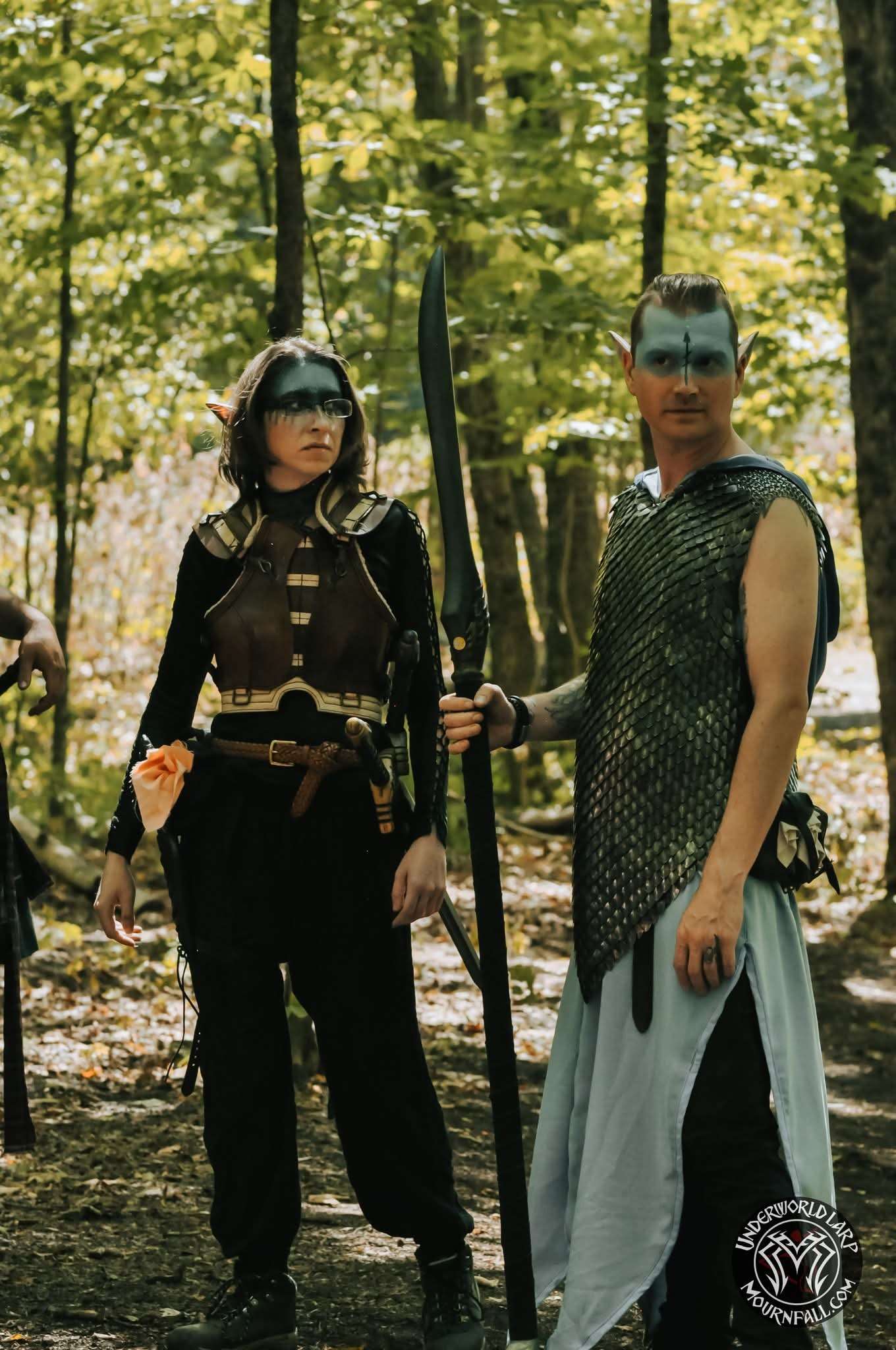
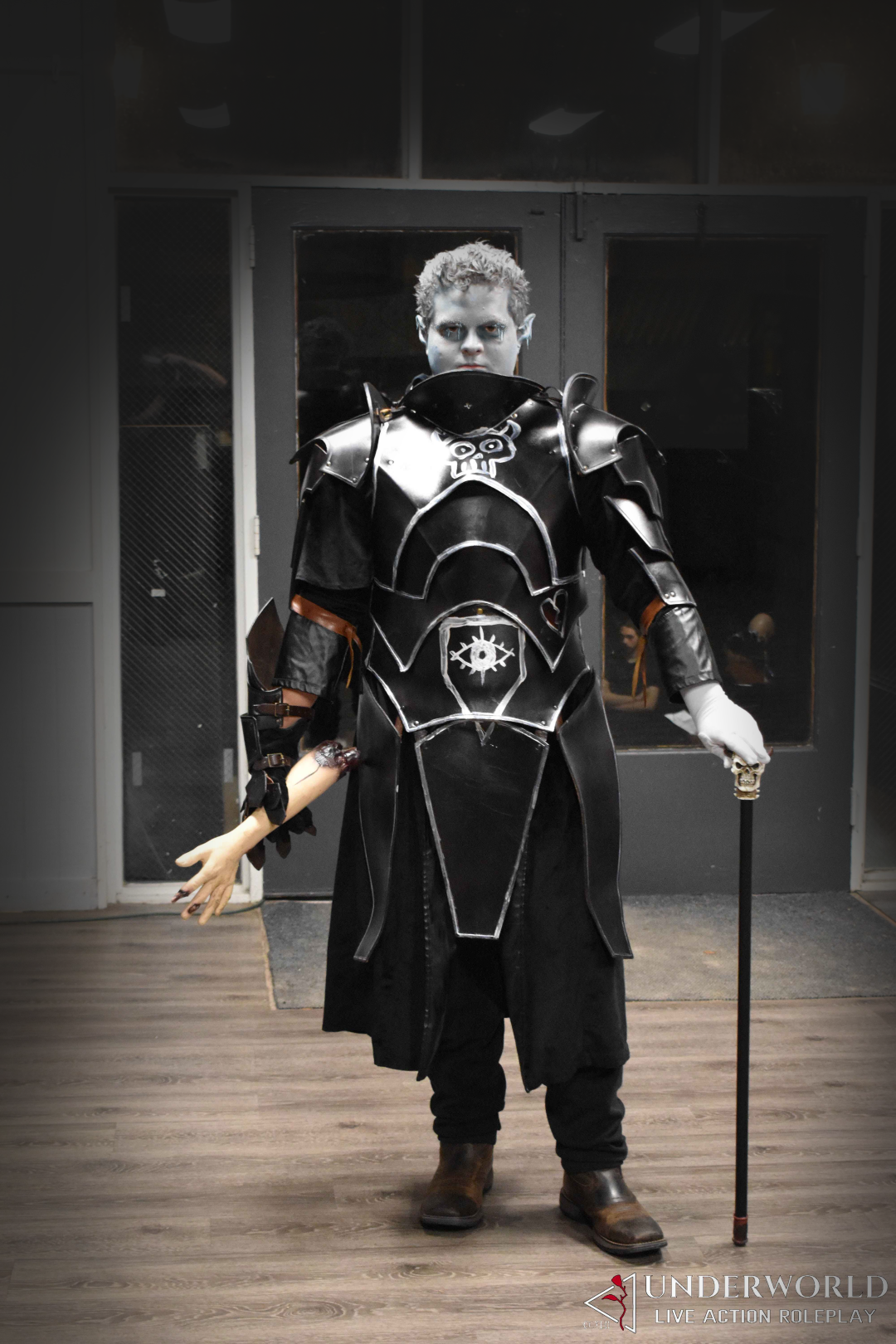
Ice Elves, known as the Crissen’Thalan, are a hardy and enigmatic people whose existence is defined by adaptation to the frozen tundras and icy reaches of Arthos. A people of discipline, endurance, and resilience, the vast majority have thrived for generations in Jormunger, a region where survival demands ingenuity, strength, and unwavering communal cohesion.
Despite their harsh environment, Ice Elves have developed complex societies, philosophies, and traditions. Their collectives, known as “bands,” range from the ritualistic and ascetic to the politically intricate and socially refined, each interpreting the teachings of Pandora in ways that reflect their values.
Acceptance of pain as a method of growth is a defining feature of Ice Elf culture. Even among those who diverge from strict religious doctrine, hardship is understood as a necessary force that shapes strength, clarity, and purpose. Across Jormunger, Ice Elves balance physical prowess, magical aptitude, and structured society, producing warriors, mystics, and scholars whose influence extends far beyond the frozen north.
Language: Portuguese
Life Expectancy: 700 – 1000 years
| Child | 1 – 15 |
| Teenager | 16 – 20 |
| Young Adult | 21 – 50 |
| Mature | 51 – 100 |
| Middle Age | 101 – 399 |
| Old | 400 + |
Contents
History
The history of the Crissen’Thalan is not recorded in a single account, nor agreed upon in full.
What is known has been preserved through oral tradition, fragmented records, and the teachings passed down within each Band. These accounts do not always align. In some cases, they directly contradict one another.
This is not a fault of theirs. It is seen as part of the greater lesson.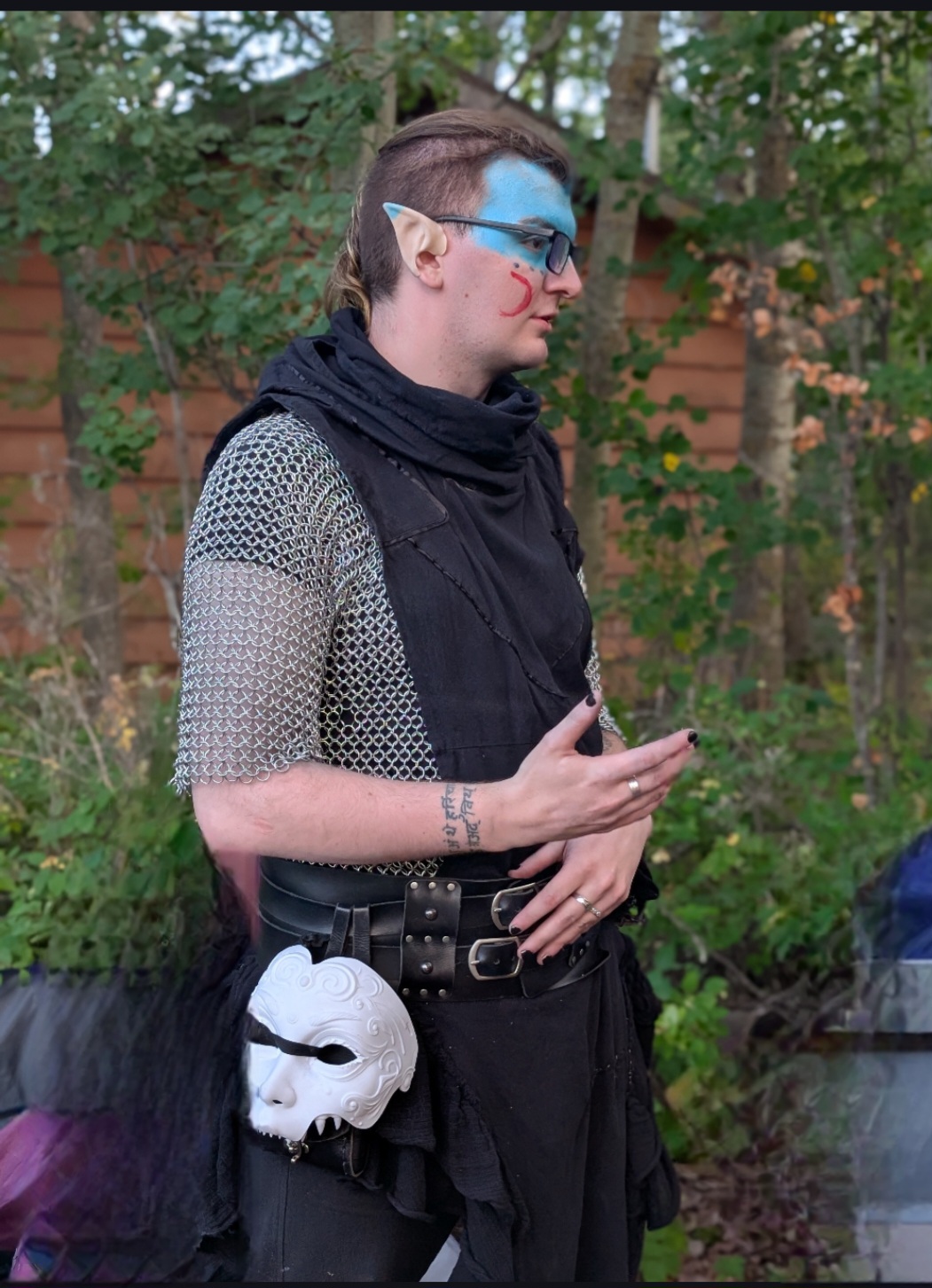
The Exodus
In the oldest tellings, before the Crissen’Thalan bore frost in their blood and blue upon their ears, they were counted among the Grey Elves.
They dwelt within the first great Elven city, where high halls rose beneath silver boughs and the long memory of the Elves was kept unbroken. Yet in those days, change came upon the city. Humans, young and brief-lived, were taken in. They were taught. They were sheltered. They were raised beneath Elven eyes and given access to Elven knowledge.
Not all welcomed this.
Among the Grey Elves, a faction formed who looked upon the Humans with contempt. They saw in them haste, weakness, hunger, and ruin. They argued that the gifts of the Elves were not meant to be spent upon lesser races, and that the city would be diminished by those it sought to shelter.
It would not be long before accusations turned to violence.
When blood was spilled within the city, judgment followed. The Elven dissidents were cast out, driven from the halls of their kin and pursued beyond the lands they had once called home. Harried and scattered, they fled northward, farther and farther into the cold reaches of Arthos, until even those who pursued them would go no further.
The Humans did not follow them into the frozen north.
But the north was not empty.
The Jotunn
In the lands now called Mjoll and Jormunger, the exiled Elves found a people already ancient in that place.
They were the Jotunn, giants of the north, mighty in body and untroubled by the cold. They kept laws of oath and battle, and their warriors were said to laugh beneath storms that would kill lesser folk. Their halls stood against the snow, their fires burned in the long dark, and their names were spoken with reverence by those who survived meeting them.
Their greatest warriors were countless, for every Jotunn carried the weight of legend. It was said their footsteps alone could crack glaciers, and their presence turned back the fiercest blizzards as if the storms themselves feared to test them. Some claimed a single Jotunn’s strike could summon lightning from a clear sky, and that ravens gathered wherever they walked, waiting to carry word of their deeds across the frozen world.
To the Jotunn, the exiled elves were intruders. To the elves, the Jotunn were obstacles. War followed.
The First Conflict
The first war between Thalan and Jotunn was not one the Elves were prepared to win.
The Jotunn knew the land. They knew where the ice was thin, where storms gathered, where beasts denned, and where the mountains broke to allow passage. They were few, but each warrior was a terror upon the field. The Elves, proud though they were, found themselves starving in a land that did not welcome them and bleeding before foes who did not fear them. To add to this the Thalan’s natural connection to Arthos, their greatest power, was severed in this wasteland for there was nothing lived or grew beneath the snows of Jormunger.
Their will wavered as their numbers thinned.
It was in this time of desperation that the Goddess Pandora found them. Or, as some tell it, that they finally became desperate enough to hear her.
The Teaching of Pandora
Pandora did not offer rescue. She offered instruction and guidance. Lessons they needed to hear.
She taught them that mercy was a chain fastened by the weak upon the strong. She taught them that suffering was not misfortune, but a forge. She taught them that pain, properly mastered, could become discipline; that discipline could become power; and that power, once claimed, must never be surrendered.
She gave them no soft path forward. She taught them to endure hunger until hunger became clarity. She taught them to walk through cold, until cold became kin. She taught them to accept pain until pain became purpose.
While her teachings did benefit them, at first, they could not bring themselves to worship her. Over time, this changed, the Thalan who had never experienced suffering like this before eventually turned towards not only her teaching but her power. And through her divine influence, something within them changed.
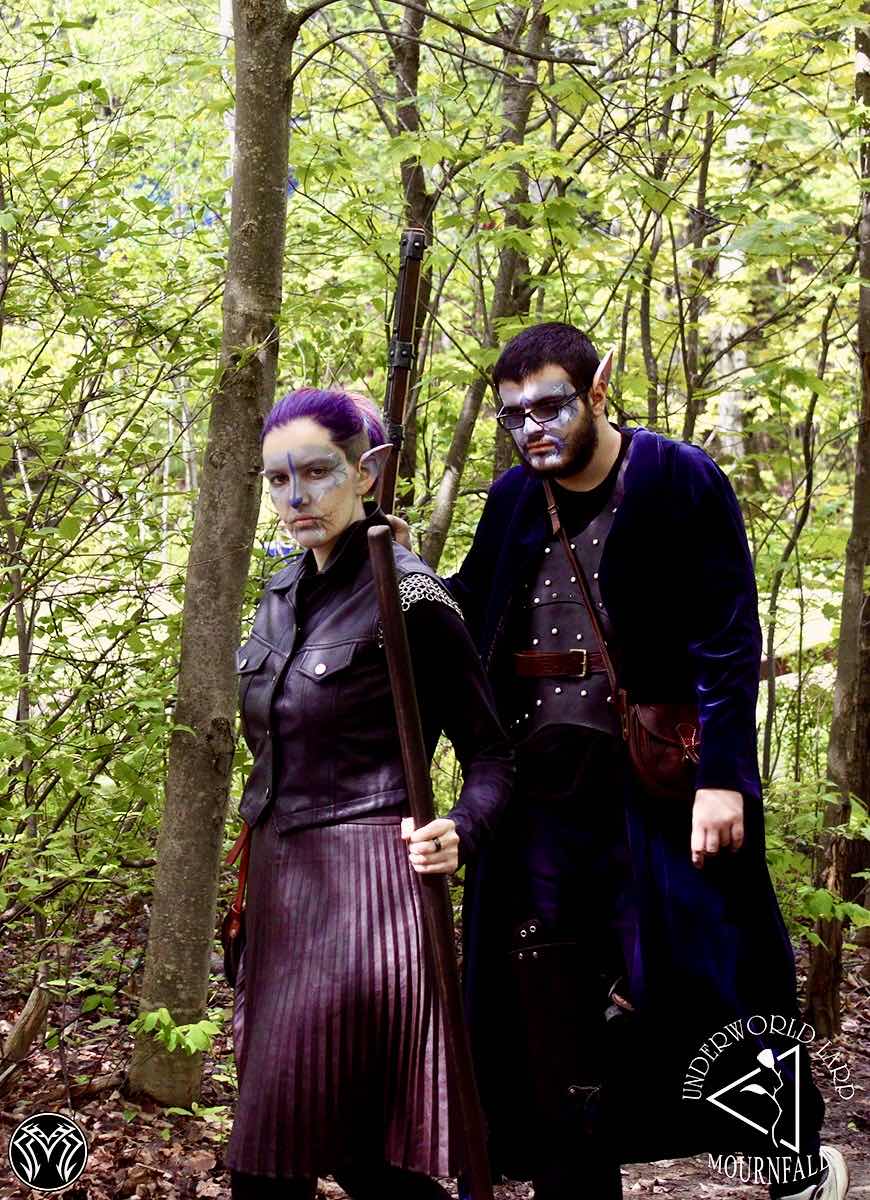
Their bodies hardened. Their skin paled and took the blue of deep ice. Frost marked their faces. Their blood slowed and sharpened, and the killing cold of Jormunger no longer held the same dominion over them.
They were no longer the Grey Elves who had fled the south. They were becoming the Crissen’Thalan.
With Pandora’s teachings came new ways of war. No longer did they meet the Jotunn as proud exiles seeking honour against superior foes. They learned ambush, attrition, denial of food, poisoned paths, and broken oaths used as bait. They struck not where the Jotunn were strongest, but where loss would wound most deeply.
The tide turned. And the Jotunn began to die.
The Hanging of the One-Eyed Chieftain
Among the oldest and most bitter tales is the story of the Chieftain of the Jotunn. A gargantuan cyclops of immeasurable power.
It is said that he went alone into the whitewood, seeking prophecy, and counsel from the ravens on the hidden movement of his enemies. He was too late. There, the Crissen’Thalan fell upon him.
They offered no warrior’s challenge. They did not announce themselves. They fell upon him, and with Pandora’s Divine magic channelling through them, he could not best them.
They did not grant him the dignity of a warrior’s death.
From the snow and shadow they struck, piercing him with spears until his blood blackened the roots beneath him. Yet still he did not die, this was their intent.
They hung him from a winter tree and left him there, pierced and living, his blood falling in slow drops upon the frozen earth.
When the Jotunn found him sometime later, they cut him down and bore him home. He lived, but the insult could not be undone.
To the Jotunn, this was not merely cruelty. Their chieftain had been denied the honour of battle and the release of death. From that day onward, the Jotunn no longer spoke of the Ice Elves as proud enemies. They spoke of them as oathless, merciless things shaped by a merciless Goddess.
And still, they could not defeat them.
The Coming of Men
While war consumed the north, the Grey Elven city far to the south suffered its own great ruin.
The Shattering, as Thalan often call it, scattered humanity across Arthos, driving them from the safety of Elven halls and into lands that they did not know. Many of the Humans moved westward with their newfound Gods of Light, but others did not buy into the dogma and set out upon their own. Some wandered north, desperate and unprepared, following old tales, broken roads, and the dim hope that kinship with any, might yet save them.
When they came upon the Crissen’Thalan, they found no welcome. The Ice Elves remembered the Humans as the cause of their exile. They saw in them the same weakness, need, and ruin that had driven them from their former home. The Humans were turned away with cruelty, and those who lingered were driven out.
 But the Jotunn received them. Perhaps it was pity. Perhaps it was honour. Perhaps it was simply the knowledge that both peoples now faced the same enemy. The Jotunn taught the Humans to survive the north. They taught them where to shelter, how to read the sea winds, how to follow the herds, how to endure the long-dark, and how to forge steel.
Yet the Jotunn were fading. Their halls grew emptier. Their children were too few. Their warriors died faster than they could be replaced. So, in time, they made a choice that would shape the north forever.
The Birth of the Einher
To preserve what remained of themselves, the Jotunn joined their seed with that of humanity.
From these unions came children neither fully giant nor merely Human. They were smaller than the Jotunn, but stronger than men. Shorter-lived than the old giants, but many, where the giants numbered so few. They bore the stubbornness of the north in their bones and the will to survive in lands that had killed so many before them.
These children became the first of the Einher. The Jotunn and the Humans found within each other salvation.
To the Crissen’Thalan, they were an abomination. The Ice Elves looked upon their once-mighty foes and saw them diminished. The Jotunn, who had stood against them for so long with honour and strength, had mingled their blood with the very race the Elves despised. To the Crissen’Thalan this is not the survival of a great race but a surrender of what made it so. A proud people had chosen dilution over extinction. The Crissen’Thalan loathed them for it. But not more than they reviled the new race born of this weakness.
The Stone Sleep
As the Einher grew in number and the Jotunn dwindled, the Crissen’Thalan prepared a final stroke. With Pandora’s teachings and divine power behind them, they sought to end the giants entirely and erase the last true Jotunn from the north.
But the Jotunn drew upon the magic of the very land itself. Gathering the remnants of their people, the last great giants enacted a ritual of terrible weight. Rather than be hunted to extinction, they gave themselves to stone.
One by one, the Jotunn passed from flesh into mountain, cliff, standing stone, and nestled into the lands they had walked for so long. Their voices fell silent. Their halls emptied. Their bloodline continued only through the Einher, while those who survived entered a deep and waiting sleep.
The Einher say they wait for the last war. The Crissen’Thalan say they hide from the world they failed to keep. But in the oldest storms of Jormunger, when thunder rolls beneath clear sky and ravens gather where no corpses lie, those that wait do not die.
While the Crissen’Thalan maintain the true Jotunn all became statues of their own making, a scant few tribes of less colossal Ice Giants still roam parts of the north’s most secluded reaches. Whether these giants are the few that hid from Pandora’s children of old, or their diminished descendants, is widely unknown, as such beings refuse to divulge their sordid history to the small folk of Arthos.
The Fracture
In time after the Stone Sleep, the Crissen’Thalan stood ascendant in Jormunger. The Einher were unable to conduct proper war against them and had resorted to minor skirmishes and raids. The Crissen’Thalan had endured. Over time their numbers were reinforced further when additional Thalan came up from the south, after the Grey Elven city fell. Pandora taught them the same lessons, and together great Elven houses merged with the new Northern Bands to survive the North. They broke the Jotunn. They had watched the birth of the Einher and judged its weakness.
What had once been a desperate people became something sharper, colder, and far more certain of itself. Yet victory did not bring unity.
Pandora’s teachings had saved them, but they had not answered all things. Suffering, control, endurance, discipline, and sacrifice had each been a lesson that had carried them through war. But in peace, or what passed for peace in the north, those same lessons became questions. How should suffering be used? Was pain a burden to endure, a weapon to wield, a truth to teach, or a law by which all others must be made to kneel? Should the Crissen’Thalan remain one people under one doctrine, or should each path be tested against the world?
The old tales speak of a great gathering in Nevasca, the strongest of the northern cities and the heart of Ice Elf power. There, leaders, mystics, warriors, and teachers came together to define the future of their people. They did not find agreement. Words became accusations. Once again accusations turned to violence.
When blades were drawn, Pandora did not intervene. When blood was spilled, Pandora did not intervene. Even when the bodies of Ice Elves began to pile up, and when their blood and flesh washed upon the ground in a sea of gore, yet still Pandora did not intervene. Instead, she watched. Then it was done. The Ice Elves turned upon one another in pursuit of truth and only the best had remained standing. Finally they looked to her, and only then did she take action. She left.
The Departure
Pandora’s departure is one of the most defining moments in Ice Elf history. She did not vanish in anger. She did not condemn her followers. She simply left. She had shown them suffering, control, endurance, and the merciless clarity of strength. What remained could not be gifted by a Goddess. It had to be earned.
If one doctrine was true, it would prove itself. If the Crissen’Thalan were worthy, they would endure not because Pandora stood beside them, but because her lessons had become part of them.
From that day forward, the bands began to separate in earnest. Some sought permanence, others hardship. Some pursued discipline through war, others through guidance, pain, lineage, wandering, or control.
Pandora had not failed to unite her people. She had given them the means to test themselves.
The Widow’s Wail
The next great turning point came with the fall of the silver Dragon Daedalon; Pandora’s spear striking him down. What followed would shape and mould the conflict and suffering of the Ice Elves even further.
Zsiera, the white Dragon, responded with devastation. Her Breath Weapon tore across Jormunger. Entire cities were consumed by ice, storm, and death. Countless bands were erased in moments. Lands once inhabited were left frozen and silent. Of the many great Ice Elf cities that once stood across the tundra, only one endured: Nevasca.
The city was not spared nor protected by Pandora from the devastating Breath Weapon of Zsiera, but it survived, as did its people. Where others fell, it remained. To the Crissen’Thalan, this is not coincidence; it is proof of their belief and doctrine. Its survival is testament to the divine power within it. The one remaining city of the Ice Elves would come to be known as the City That Endured; a place now sacred to all bands that survived the desolation.
Forever more this destructive Breath Weapon was known as the Widow’s Wail, and in the wake of its use, the Crissen’Thalan were shattered. The bands that survived were reduced to fragments, Crissen’Thalan settlements that once filled Jormunger vanished, and what strength they had built was tested against sudden and overwhelming loss.
It was in this moment of weakness that the Einher struck with greatest force.
The Campaigns of Extermination
In the wake of the Widow’s Wail, the Crissen’Thalan were vulnerable as they had not been since their exile ages ago. Perhaps, in another strand of time, the Einher reached out to the Crissen’Thalan and helped them rebuild after the perdition of the Widow’s Wail. Perhaps they could have come as emissaries of peace and conciliation, but they did not. They came as heirs to old hatred.
The Einher, who were descendants of Humans and Jotunn and long despised by the Ice Elves as the living symbol of dilution and surrender, saw their ancient enemy weakened. Whether in vengeance for the Jotunn, hunger for land, enacting the will of Zsiera, or simple opportunity, the Einher struck hard into Jormunger. They engaged in an organized campaign of extermination against their hated enemy.
Raiding fleets crossed the cold water; warbands descended upon shattered settlements. Surviving Crissen’Thalan bands were hunted, enslaved, or slaughtered where they could not flee. Entire bands that had survived the Widow’s Wail were now rooted out and destroyed. But those bands who remained strong, persevered. Many Crissen’Thalan retreated to Nevasca and mounted a great defence upon its enduring walls. Yet others moved into the great eastern expanses of Jormunger where the Einher were unable to follow and maintain their supply lines.
To the Crissen’Thalan, this was confirmation that every enmity held towards the Einher was justified. That their Grey Elven ancestors, who were driven from their homeland by Humans, were right to mistrust and accuse the short lived and short sighted race. That these Einher, a fusion of the once honourable Jotunn, were more a reflection of their original treacherous Human ancestors than their noble giant ones.
From this age onward, the hatred between Ice Elf and Einher ceased to be merely political or territorial. The feud became ancestral; a sacred part of their very being. The Crissen’Thalan do not remember the Einher as people who endured the north as they did. They remember them as the children of weakness, vermin to be rooted out, and a blight upon the very face of Arthos.
The Time of Endurance
After the Widow’s Wail, the Crissen’Thalan did not restore what had been lost for the simple reason that they could not. Too many of their cities were gone, too many bands were dead, and too many old roads, shrines, and histories lay buried beneath killing ice. They would not rebuild their cities, instead they would remake themselves anew. This was a suffering they would endure and grow stronger from. The survivors became more distinct, the most powerful and enduring bands began to form in this time.
These larger bands are not the only populations of Crissen’Thalan. Innumerable smaller bands are scattered across the lands of Jormunger and Mjoll, as well as those that journey across Arthos. Each follows what they view as their own interpretation of Pandora’s teachings, or reject them outright. Though all seek to become the answer to the same question: What does it mean to endure?
The Severing from the Garden
In recent history, the Crissen’Thalan were severed from the sacred cycle of Elven rebirth.
During the Celestial War of 2258, Pandora brought the Mortigeist into the hidden Garden of Ll’yandra where the shards of Elven spirits were said to return after death, to bring Ll’yandra to account for her failure to act against his slaughter. The conflict that followed shattered the Stone Elves—or Eleghast’Thalan—of Dul’Agan and nearly delivered the Garden into eternal corruption.
In her wrath, Ll’yandra condemned Pandora, brutally savaging her with Light and newly unleashed Dark Magic. Neither were the Crissen’Thalan spared her Divine wrath. For their reverence and adoption of Pandora’s ways, Ll’yandra stripped her protection from her own former children, ripping the shards from their very spirits. From that moment onward, the Ice Elves were no longer sheltered within the Garden, their spirits offered no sanctuary with Ll’yandra when they died.
Among the Crissen’Thalan, the meaning of this event remains bitterly debated. Some see it as punishment, some see it as liberation, while others fear what it means to die without Ll’yandra’s protection. There are even rumours of a band that fled to the south, refuse Pandora, and seek forgiveness from Ll’yandra. Whatever the truth, the Celestial War marked the final severance between the Ice Elves and the Mother of Elves. Pandora’s influence now marks the spirit of every Ice Elf, as the influence of Ll’yandra does on every other Thalan.
The Crissen’Thalan now belonged to Pandora alone.
The Long War with Mjoll
The Einher have long ruled the seas and raided from the west, striking at coasts, settlements, and trade routes. Their clans have risen and fallen, fractured and reunited, but their hatred of the Ice Elves has never vanished. The Crissen’Thalan return that hatred without hesitation.
In this, the Ice Elves reveal one of their sharpest contradictions. They revere endurance, strength, and survival through hardship yet refuse to see these virtues in the Einher, who were born from a people trying to survive extinction. To most Ice Elves, this is not hypocrisy, it is clarity born from pain and suffering. Few among the Crissen’Thalan speak otherwise, those who do rarely speak loudly.
With the long-standing Einish Civil War drawing to a close in late 2267, the clans were once again united under a single banner; that of High Chieftainess Revna Mothersblood. With the threat of a unified Mjoll on the doorstep of Jormunger, tensions are rising within and between the bands ever since. The Sylth Al’gor, the band who claimed the Holy City of Nevasca, gather Dread Knights and amass a standing army at an unprecedented rate. They claim this as a necessity for the defense of all Crissen’Thalan, but many of the other bands resent what they see as a draining of their own resources and dismantling of their own military power only to serve selfish ends.
Geography
A vast expanse of frozen plains, jagged mountains, buried ruins, and killing storms, Jormunger offers little mercy to those who dwell within it. To outsiders, it is often viewed as a wasteland. To the vast majority of the Crissen’Thalan, it is prison, proving ground, and sacred inheritance all at once.
No crops grow in Jormunger’s frozen soil. Herd animals are rare, and most beasts that are large enough to sustain a band are predators themselves. Every hunt is dangerous, every settlement is vulnerable, every journey risks exposure, starvation, or worse. It is a land that hates life, and the Ice Elves refuse to abandon it.
This environment has shaped the Crissen’Thalan as much as Pandora has. Their discipline, suspicion of outsiders, reliance on Band structures, and reverence for endurance are not abstractions. They are necessities to survive in Jormunger.
Nevasca
The greatest surviving city of the Ice Elves is Nevasca. Built into the mountains of northwestern Jormunger, north of Mjoll.
A metropolis of black ice, stone, and ancient craft, Nevasca is the last and greatest enduring city of the old Crissen’Thalan world. Its towers and halls are carved into the mountains themselves, reinforced by generations of ingenuity and the lingering legacy of divine presence.
Nevasca is also connected to the old Waygate network, a powerful series of portals once powered by the Orb of Power, Blite, making it one of the most strategically important locations in all of Jormunger.
Though it is held by the Sylth Al’gor, Nevasca is not considered theirs alone. To all Pandoran Ice Elves, even those who despise Sylth Al’gor rule, Nevasca remains a holy city. It is the City That Endured.
To control Nevasca is to possess not only a fortress, but a powerful symbol of religious authority and martial might.
The Plains of Hayte
The Plains of Hayte stretch across central and northern Jormunger and are widely considered the most inhospitable and dangerous region in an already unforgiving land. There, blizzards that can freeze the skin in under a minute and whip about vicious shards of ice that tear flesh can rise without warning and last for days. Visibility vanishes, sound twists, and the cold deepens beyond ordinary winter. The creatures that stalk the plains are among the most dangerous in the north, and the world.
The Nomads of Hayte band alone choose to dwell there by tradition and doctrine. Moving across the desolate plains on wind sleds and hunting beasts most Ice Elves only know from story. To them, the plains are the purest expression of Pandora’s lesson of hardship.
Zsiera’s Territory
Not all dangers in Jormunger are born of environment or hunger.
The white Dragon Zsiera claims dominion over much of the land, and her presence has warped regions of Jormunger into places even Ice Elves approach with caution. Around her territories, the cold changes, and storms behave strangely. The beasts grow more aggressive, and paths once known may become impossible to follow.
Her lair, Nightfrost Hold, a home to bandits, gangs, and those with will enough to command them, stands as one of the most feared places in Jormunger. While the Crissen’Thalan claim Jormunger as their home, the White claims it as her territory, and she declares them, as the children of the Goddess who slew her love, her enemy.
Travel and Waygates
Travel through Jormunger is possible, but rarely safe.
For outsiders, crossing the tundra is often a death sentence. Exposure, storms, predators, and hostile terrain claim the unprepared quickly. Even experienced travelers may find maps unreliable, as snow, ice, and shifting conditions alter the land from season to season.
The Crissen’Thalan fare better, but even they do not take long journeys lightly. For generations, travel across the frozen north was aided by a network of Waygates established through ancient magic tied to the Orb of Power, Blite. These gates once allowed distant settlements and bands to remain connected despite the brutality of the land between them.
Since the shattering of Blite, the magic sustaining the Waygates has become finite. Each use now carries weight. Some gates have failed entirely, others function unpredictably or are guarded with increasing severity. As travel becomes harder, control over remaining Waygates 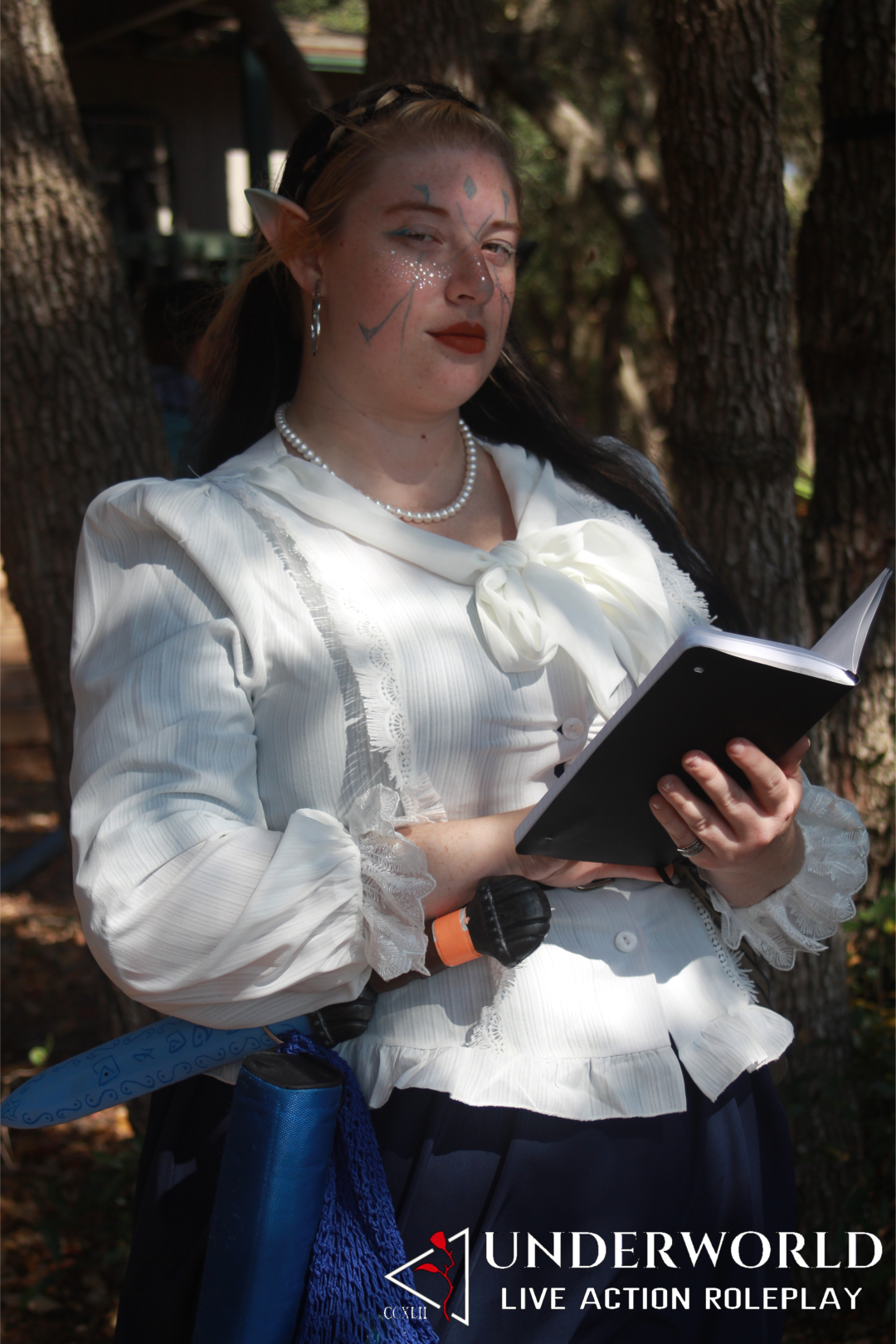 has become a matter of politics and conflict.
Resources and Trade
Jormunger is poor in most things required for comfortable life, but rich in what others are willing to risk death to obtain.
The mountains contain significant veins of mithril, and other valuable ores. Though the Ice Elves are not themselves traditionally a mining people, Dwarven colonies and mining expeditions exist throughout parts of Jormunger, often maintained through trade agreements with nearby bands.
It is also rumoured that the forgotten craft of forging lost metal alloys remains hidden somewhere in Jormunger, a remnant of the age when Daedalon the silver Dragon still lived and taught within his civilizations.
Beyond metals, the Ice Elves trade in what the land provides: Furs and hides from dangerous northern beasts. Monster-parts used in chemistries, artifice, and ritual. Rare reagents found only in glacial regions. Black ice from Nevasca, valued for its durability, beauty, and spiritual significance to the Dark divinity of Pandora.
Yet trade does not come naturally to the Crissen’Thalan. They would prefer isolation, however Jormunger does not permit it.
Culture
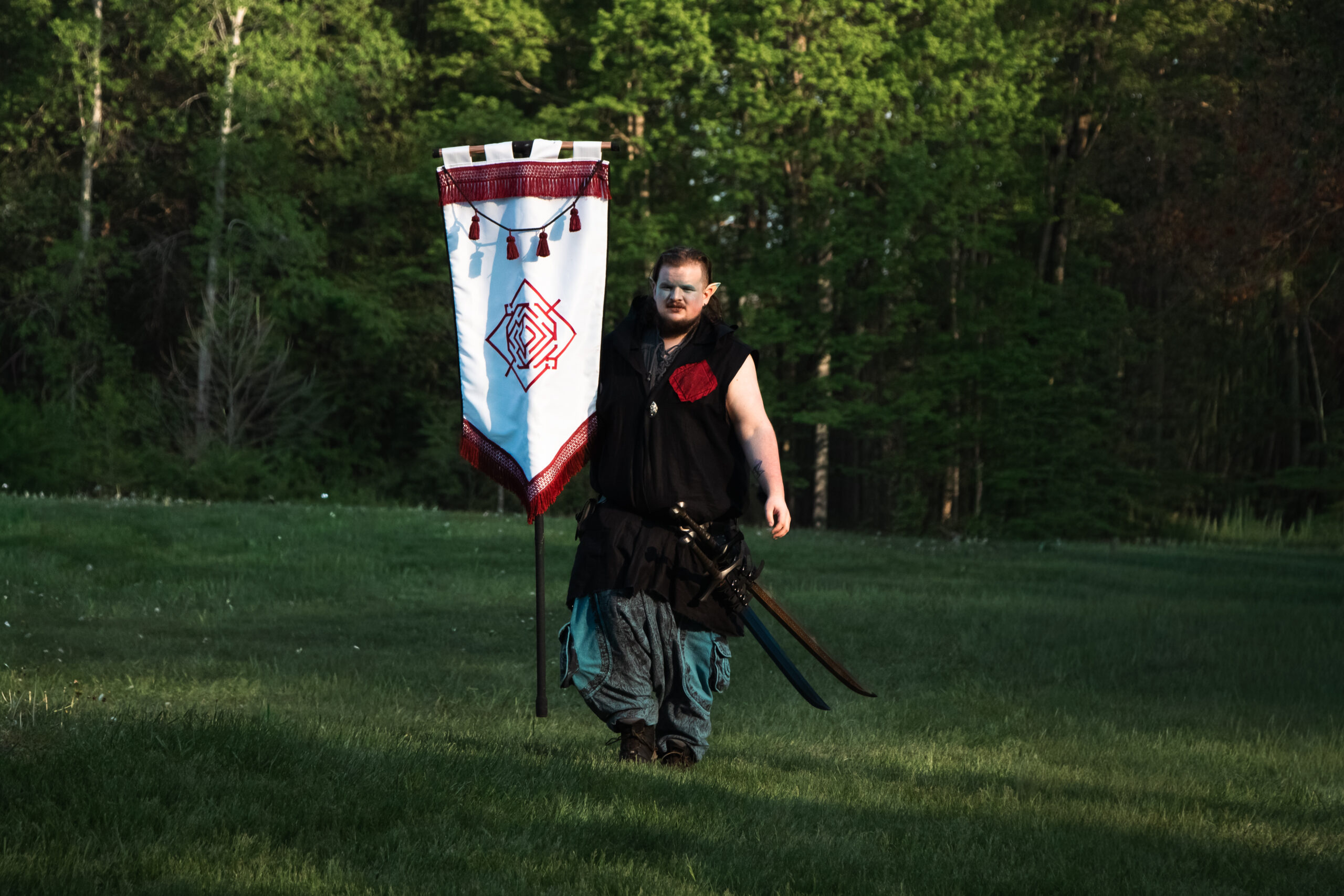
Ice Elf culture is shaped by three inseparable forces: the brutality of Jormunger, the teachings of Pandora, and the long wars with Einish Mjoll. Across all bands, the Crissen’Thalan value endurance, discipline, self-mastery, and contribution to the survival of their people.
Comfort is rarely trusted, and ease is often viewed with suspicion. To the Ice Elves, hardship reveals truth in a way that words cannot. A person’s worth is not measured by what they claim to believe, but by what they can abide, what they can master, and what they can offer to their band.
This belief is most clearly expressed through the practice known as Memories in Flesh. Among the Crissen’Thalan, the body is not viewed as separate from memory, faith, or identity. For some, flesh records what the mind might soften, for others the process achieves a state of meditation and reflection. Scars, cuts, marks, and ritual wounds are not merely signs of suffering, but reminders of lessons earned.
Through deliberate scarification, an Ice Elf may carve a phrase, image, symbol, or mark into their own skin to recall a lesson with perfect clarity. This act is not performed casually. It requires focus, discipline, and willingness to bring oneself to the edge of weakness in order to reclaim strength. To outsiders, this may appear self-destructive, but to the Ice Elves, it is proof that pain properly understood can restore purpose.
The practice varies between bands. A Pilgrim may carve a symbol tied to an old failure. A Sister of Suffering may reopen a sacred mark to sharpen her devotion. A Cold Spear may inscribe a hunting lesson before battle. A Sylth Al’gor may mark themselves with a command, oath, or remembered humiliation. A Nomad of Hayte may cut the image of a beast slain upon their skin.
Though they are often perceived by outsiders as cold or cruel, Ice Elves do not generally see themselves this way. They believe they are practical. The north does not reward softness, and neither does Pandora. Mercy, charity, and sentiment are not always rejected, but they are rarely given without purpose. To offer aid without a lesson is often seen as wasteful, even harmful.
Major Bands
The band is the center of Ice Elf life. Some bands are ancient and powerful, while others rise and vanish within a few generations. Each carries its own traditions, hierarchy, rites, and interpretation of Pandora’s teachings. To belong to a band is not merely to share blood or territory, but to accept a way of living.
While innumerable bands dot the icy landscape, there are some of particular note for either their historical, political, or legendary reputation:
Cold Spears
The Cold Spears are a band of Ice Elves native to the the south-east mainland of Jormunger, whose territory is bordered by the immense and treacherous peaks of O Baluarte das Senhoras—‘The Ladies Bulwark’—mountains to the west, the Fragmento da Graca—‘Shred of Grace’—lake feeding the Cicatriz de Luto—‘Mourning Scar’—river system which flows east before emptying south into the bay of Fiorde da Agonia—‘Fjord of Agony’. While the Sylth Al’gor lay claim to large swaths of territory, patrolling them sparsely with their legions, and the Nomads wander across the entirety of the Plains of Hayte, it is the Cold Spears that truly have control of the most territory in Jormunger. They are not concentrated into one city, nor spread amongst the bands, nor wanderers in a vast desolate tundra. They control the land as they control themselves on the battlefield: perfect rigid discipline, and trust in each and every Cold Spear to do their duty to the on the field, to the band and to Pandora.
The Cold Spears employ a series of military fortifications across their lands, these forts protect groups of Cold Spears who live their daily lives as almost any in Arthos would. They feed themselves, produce trade goods, take care of homesteads or shelters; their life could almost be mistaken for that of any peasant in the lands of the south in all ways but one. Every day, of every week, of every month, of every year, they train; there are no exceptions. Those who live close to the fort will gather for spear training and formation drills, those who live without or are on extended hunting trips will often perform solo drills or scrawl unit tactic puzzles in the snow. Inside the fort, elected officers will study maps, tactics, and learn how to wield the phalanx with as much precision and control as they wield a spear. The officers report to a Lancador, who resides in the local fort and is responsible for the training and overall command of their local militia. Each Lancador is roughly equivalent in rank, although when gathered they will most often defer to whomever has the most experience. Should a large threat need to be faced, the Lancador call their militia host, and then muster under the command of the Spear Holder, currently Brother Beh’lor of the First Spear. He is a great leader of their people, taught much by the Pilgrims in his youth, and he currently claims to hold Pandora’s first spear, the one she used before she crafted Secondborn from the remains of the Dragon Daedalon’s body after slaying him.
Unlike the denizens of most southern kingdoms, the Cold Spears are not able to rely on agriculture to feed their people. Plants and herbs can be cultivated, but agriculture at scale is almost impossible. Small herds of livestock can often be kept at forts, but are a drain on resources. To feed their band, a large amount of the population hunt in the wilds of Jormunger, relying on prey both small and large to feed and sustain nearly all the band’s diet. Early Cold Spears became adaptive at utilizing groups of spearmen to corral and down roving packs of Yetis, which often prowled out of their natural mountainous habitat from the West, threatening the band and the limited livestock they kept. The consequential dependence and early mastery of their namesake weapon has given Cold Spears a reputation of unmatched proficiency with the pike, glaive, and polearm.
Cold Spear warriors are a formidable force, having dedicated themselves to evolving and specializing the tactics of their spears in hunting, small skirmishing patrols and large pitch defensive positioning across the breadth of their numbers. The daily training not only hones the skills of a Cold Spear, but also their trust in their fellow band members; they know that the person standing beside them in formation is not only equally an expert in combat, but that they are also very likely a close family member or trusted friend. This almost fanatical dedication to training and unit cohesion makes the assembled Cold Spear infantry the most formidable in all of Jormunger. While the Cold Spears rely mostly on units of spear infantry, their unique relationship with the Sisters of Suffering allow an approach to battle with a wholly different ethos. Their units are supplemented by zealous and fanatical Sisters who act as shock troops to break apart formations as the Cold Spears maneuver expertly in their wake.
The Nomads of Hayte
The Nomads of Hayte are the most ascetic and uncompromising of the Crissen’Thalan, having abandoned permanence, shelter, and ease in order to walk what they believe is Pandora’s most arduous path. Where other bands endure suffering as necessity the Nomads seek it deliberately, making their home within the Plains of Hayte, the most inhospitable region of Jormunger. They believe that this life of grueling suffering prepares them and brings them closer to the precepts of Pandora’s teachings.
They build no walls, claim no fixed settlements, and remain constantly in motion, crossing the barren ice and snow on wind sleds and hunting creatures that other Ice Elves know only through warnings and story. Their lives are shaped by hardship, violence, and communal reliance. To the Nomads, comfort is dishonesty, and a common phrase amongst them is, “a life made easier is a life that is made weaker.” Nomad culture prizes resilience above all else. Their bodies bear the record of their lives in scars, trophies, and the remains of what they have survived. Leadership rests with the Scion of Hayte, while figures such as Rastreadores, Death Seekers, Storm Seers, and the Lorekeepers guide hunts, preserve memory, and lead their people through the killing storms that beset the plains.
The life of a Nomad is one on the hunt. They hunt both to sustain the band with food and materials, but also to seek greater and greater hardship. Nomads don’t simply withstand mortal danger to survive, they seek it out and defeat it to prove themselves. Death Seekers use their mystic arts and connection to the Deadlands to guide hunting groups to places where death is a certainty, as this is most likely a place where a legendary monster or beast resides, or an environment of particularly unique danger. Each Nomad keeps a history of their hardships recording in their name. Starting even from birth, during a ceremony in which predators are lured to the birthing, every worthy hunt, challenge, defeated enemy, or deadly environment that a Nomad has survived is remembered in the Rite of Naming. Each Nomad adds a new name to their epithets, so that they and others may remember the hardships faced. Should they have earned a wound-scar in this endeavour, that too is kept as a permanent record on their body. Many of the mightiest Nomad hunters bear dozens of names and even more scars from things that they endured.
The Nomads accept any Ice Elf willing to forsake their former life and dedicate their life to hardship. Their rites reflect this devotion to chosen adversity. They also do not force this life of hardship upon their children; at a coming of age, all those born to the Nomads go out into the world in the Correndo, a journey to live for a time outside of the Plains. During this time they experience the world, finding both new hardships and creatures to hunt, but also seeing exactly how other races and even other Crissen’Thalan live. Each Nomad who leaves on Correndo is free to never return, should they decide that life on the Plains of Hayte is not for them, but almost all of them do. Yearly there is a festival in which these young Nomads return and at the same time those from other bands who wish to take up this way of life also join. All are welcome to test themselves on the Plain. Through the Rite of Naming, the Trials of Correndo, and the communal demands of survival, the Nomads teach that strength is neither inherited nor granted, it is claimed.
The Pilgrims of Peace
The Pilgrims of Peace were born from violence, not serenity or peace. Their origins lie with the Os Macarados, the scarred survivors of the Widow’s Wail who endured the devastation that followed Pandora’s slaying of the silver Dragon Daedalon. They emerged as living proof that pain could be carried, remembered and made instructive. In time, their flesh and bodies would fail and flag, but their doctrine did not. From their teachings rose the band now known as the Pilgrims of Peace.
Centered around the Abbey, the central training and studying ground for those who join or be trained by the band, the Pilgrims are not a settled band in the usual sense. Movement is central to their purpose. Initiates are claimed from across the Crissen’Thalan and and sent to the Pilgrims at the Abbey to be remade through discipline, suffering, and instruction. They spend arduous hours learning under the tutelage of the Pilgrims until they are fit to be sent back into the world as Brothers and Sisters of the order, dispatched among the various bands as advisors who guide through control, diplomats who conquer without blades, teachers who instruct through suffering, and, when required, sacrifices whose destruction serves a greater lesson.
Pilgrims live lightly and travel widely, embedding themselves amongst other bands as advisors, healers, teachers, mediators, and instruments of discipline. They seek neither territory nor rule, only service and suffering. Through their many rites, they teach that pain is not merely to be endured but understood. They endeavour to spread this knowledge to all bands, so that every Crissen’Thalan may prosper from the teachings of Pandora.
Unlike the Sisters of Suffering, the Pilgrims do not seek to shape the Crissen’Thalan through bloodline or domination, only to spread the teachings of Pandora. Their neutrality is by all accounts genuine, yet in times of tensions few among the Ice Elves fully trust any claim of neutrality. So the Pilgrims are often regarded with some caution even where they are respected.
The Sisters of Suffering
The Sisters of Suffering are a matriarchal, all-female band who fanatically believe they are the divine protectors of Pandora’s will. Their culture emphasizes fanatic discipline, devotion to Pandora, and fervent training in martial prowess, with members often undertaking extended periods of isolation or performing feats that test physical bounds of Crissen’thalan bodies and extreme mental resilience. Those proficient in magic study typically lean into Nature or Psionics, and others hone their skills of alchemy. Regardless of their training, these skills are used to deadly effect in combat. Sisters are well taught in the arts of subterfuge, but also relentlessly trained in the use of all weaponry. Those that do not find their entrails spilled in the heat of battle by a wild-eyed Sister, can often find their throat slit in the night by a steel-eyed one in their tent.
The Sisters have a long standing tradition of complex and interwoven companionship with the Sylth Al’gor and Cold Spear bands. A Sister would be bonded to a member of one of these bands by intricate, intertwining religious, political, social and breeding practices. This bonding has spanned the course of several generations, entrenched in the symbiotic harmony benefiting their bands. In generations past, these bonds were most commonly formed amongst the Sylth Al’gor, but in recent times, by Elven standards, the Sisters have moved to forming these deep-seated relationships almost solely with the Cold Spears. Despite this, there are some amongst the Sisters who continue their traditional association with the Sylth Al’gor. Regardless of what band they are bonded to, all Sisters of Suffering report to their matriarch, the Pain Mother.
Outsiders not familiar with the uniqueness of the individual bands often mistake the Sisters as merely a group of ferocious female members of the Cold Spears. Sisters encamp and reside within the territories held by the Cold Spears and are often seen within all aspects of daily life of Cold Spear activities as partners, advisors, and warriors. However, in the heat of battle there is no mistaking them. The Sisters fight with a ferocity unrivaled; their martial tradition involves many of their members entering a murderous alchemy-fueled religious trance, where their blades sing praises to Pandora amongst the screams of their terrified victims. The Sisters view their fanatic, ritualized combat practices as sacredly as a Nevascan Darkweaver might view a lengthy sermon.
Sylth Al’gor – “Chosen of Her Voice”
The Sylth’Algor are the urban Ice Elves of the City That Endured and the holy heart of what is known colloquially to the rest of Arthos as the Jormungerian Theocracy. Where other bands emphasize endurance, wandering, sacrifice, or transformation, the Sylth Al’gor place greatest value on control; of one’s self, of society, and of others. In this they see themselves as the most complete expression of Pandora’s teachings.
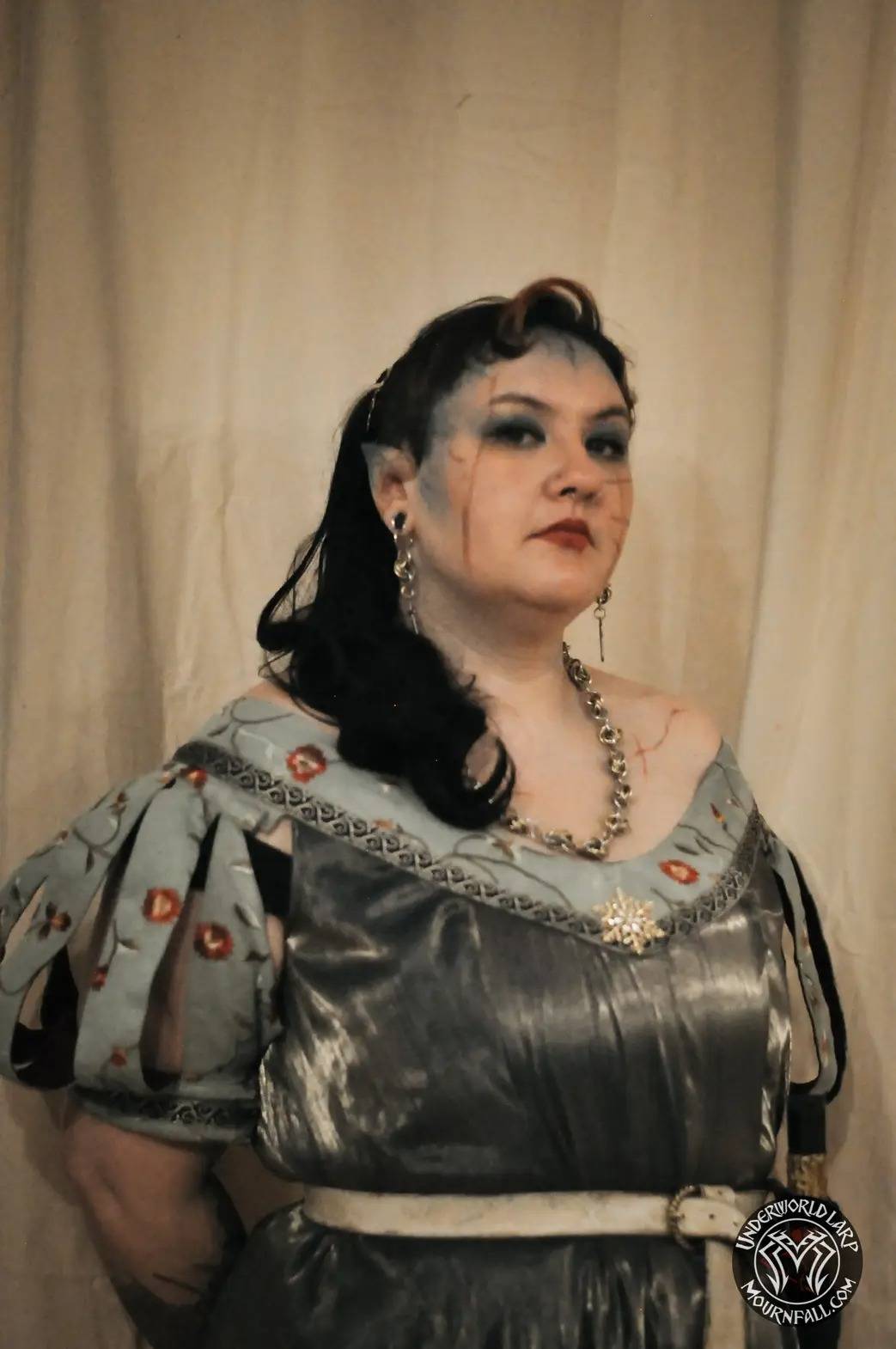 Their culture is refined, deliberate, and highly structured. The Sylth Al’gor are known for political discipline, religious observance, military organization, scholarship and education. They maintain the old halls and black ice defensive works of Nevasca, preserve the religious rites passed down in what remains of the city’s ancient records, and draw strength from the permanence in a land where little lasts.
At the center of their society stands the Voice of the Queen, through whom they claim Pandora speaks directly. Darkweavers of the High Church guide doctrine and governance, while the Dread Knights, many tithed from other bands, enforce the will of Nevasca with unwavering obedience.
To the Sylth Al’gor, pain, discipline, and sacrifice are not merely burdens to survive, but instruments by which order is maintained and weakness is mastered. Their rites reflect a culture that prizes restraint, hierarchy and the authority to endure without yielding.
The Tithe
The greatest source of the Sylth Al’gor’s military and political power lies not within their own population, but within their religious authority. Through ancient covenant and divine mandate, the Sylth Al’gor demand tithe from the other bands of Crissen’Thalan in the form of their most devoted warriors; the Dread Knights. These warriors are sent to serve the Voice of the Queen directly, relinquishing loyalty to their birth bands in favour of absolute obedience to Pandora’s supposed will. Over generations, this practice has allowed the Sylth Al’gor to amass a formidable military force composed not only of their own people, but of the strongest and most fanatically devoted Ice Elves from across Jormunger. This tithe has not been given freely in all cases. Many bands comply out of religious devotion. Others out of fear. And some, increasingly, out of necessity.
The Rumour of the Children Wayward
While not a recognized band amongst the Jormungerian people, rumours spread across the winds of the tundra of a group of Ice Elves that seek forgiveness from the Mother of Elves. Known as the Children Wayward, this group of fanatically repentant Crissen’Thalan left the snowy wastelands of the north somewhere between late 2258 and early 2259. Each member seeks to atone for what they deem to be a lifelong transgression against the Goddess Ll’yandra, hoping that such action will allow an Elven shard to be granted to them upon their death, and thus entrance to the Celestial Heaven of the Garden.
To the grand majority of the bands in Jormunger, this southern fact remains a punishable northern rumour. The Sylth Al’gor especially treats any such talk of the Children Wayward as heretical, and goes to great lengths to expunge more in-depth knowledge about their penitent practices. Despite this, scholars in other parts of Maud’madir have not been able to conclusively prove if these Ice Elves have ever been successful in their aims of being forgiven on a Celestial scale.
Religion and Superstition
The Crissen’Thalan exist almost entirely under the dominion and purview of Pandora, Goddess of Pain. The vast majority of Ice Elves follow her teachings as passed down through their Bands, families, mentors, and sacred traditions. While rare individuals who reject Pandora and her teachings do exist, such disbelief is not tolerated openly within Ice Elf society, and those who declare it rarely survive long among their own people.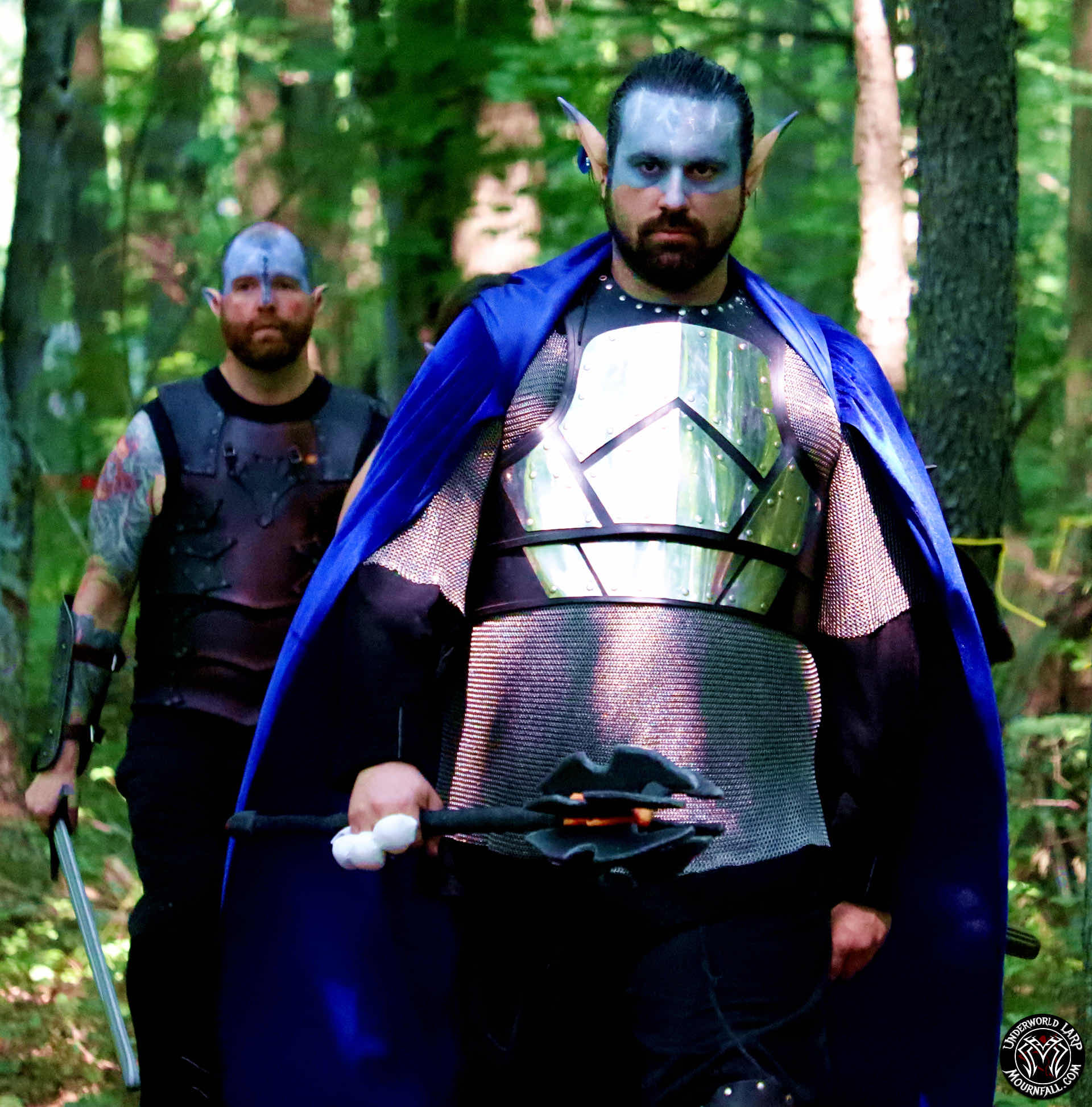
Pandora’s relationship with the Ice Elves is unlike that of many Gods and their followers. Her Celestial Realm, the Glacial Authority, rests close to the mortal plane, and her influence upon the Crissen’Thalan is direct and undeniable. Yet despite this closeness, she does not offer a single doctrine for her people to follow. This is deliberate.
Pandora does not tell the Ice Elves which path is correct. She does not settle disputes of faith, end doctrinal conflicts, or declare one band’s interpretation superior to another. To do so would rob them of the lesson. Instead, she allows them to suffer, struggle, fail, adapt, and prove themselves through the consequences of their chosen paths.
Each band believes it understands Pandora’s will. Each band believes it is divinely guided. None stand outside of her teachings. However, it is their doctrine and method that varies. Among the Crissen’Thalan, no path is accepted merely because it is claimed. It must endure, and in enduring, it proves itself worthy.
Marriage and Mating
Among the Crissen’Thalan, long term relationships are not formed for comfort, nor fleeting desire, but as deliberate bonds of trust, growth, and mutual refinement. In a culture that demands discipline and control in all aspects of life, a partner is often the only individual before whom an Ice Elf may safely lower their guard.
To an Ice Elf, love is not defined by affection alone, but by trust in another to witness one’s weakness without judgment. Such a bond carries the expectation that such weakness will be confronted, challenged, and ultimately overcome together. Where other cultures may seek comfort in partnership, the Crissen’Thalan seek improvement.
For this reason, Ice Elf relationships are typically emotionally monogamous, but not strictly bound by sexual exclusivity. Physical intimacy outside the primary bond typically carries little emotional weight and is not inherently taboo. However, the development of emotional attachment beyond one’s chosen partner is viewed as a failure of self-control, and a grave betrayal of the bond.
Partnership among Ice Elves is widely understood to be a lifelong commitment. A bond is not abandoned when it becomes difficult. Hardship within a relationship is not seen as a flaw, but as an extension of the trials that define Ice Elf life. Partners are expected to endure, adapt, and strengthen both themselves and one another through adversity.
Within the bond, both individuals are considered equals, though power and influence shift fluidly depending on strength, skill, and circumstance. One partner may lead in matters of combat, another in strategy, survival, or social standing. This imbalance is neither fixed nor resented, it is a constant source of motivation, driving each individual to improve and reclaim ground where they fall short.
In public, Ice Elf partnerships are openly acknowledged but emotionally restrained. Displays of affection are subtle, often expressed through posture, proximity, or quiet acts of support rather than overt gestures. To display uncontrolled emotion openly is to reveal vulnerability without purpose, a thing most Ice Elves avoid.
In private, however, the bond serves as a rare space where emotion may be explored more freely. Even then, such vulnerability is not indulged without direction. A partner does not simply comfort or offer platitudes. They offer guidance, challenging each other to become better and support each other’s endeavors to do so.
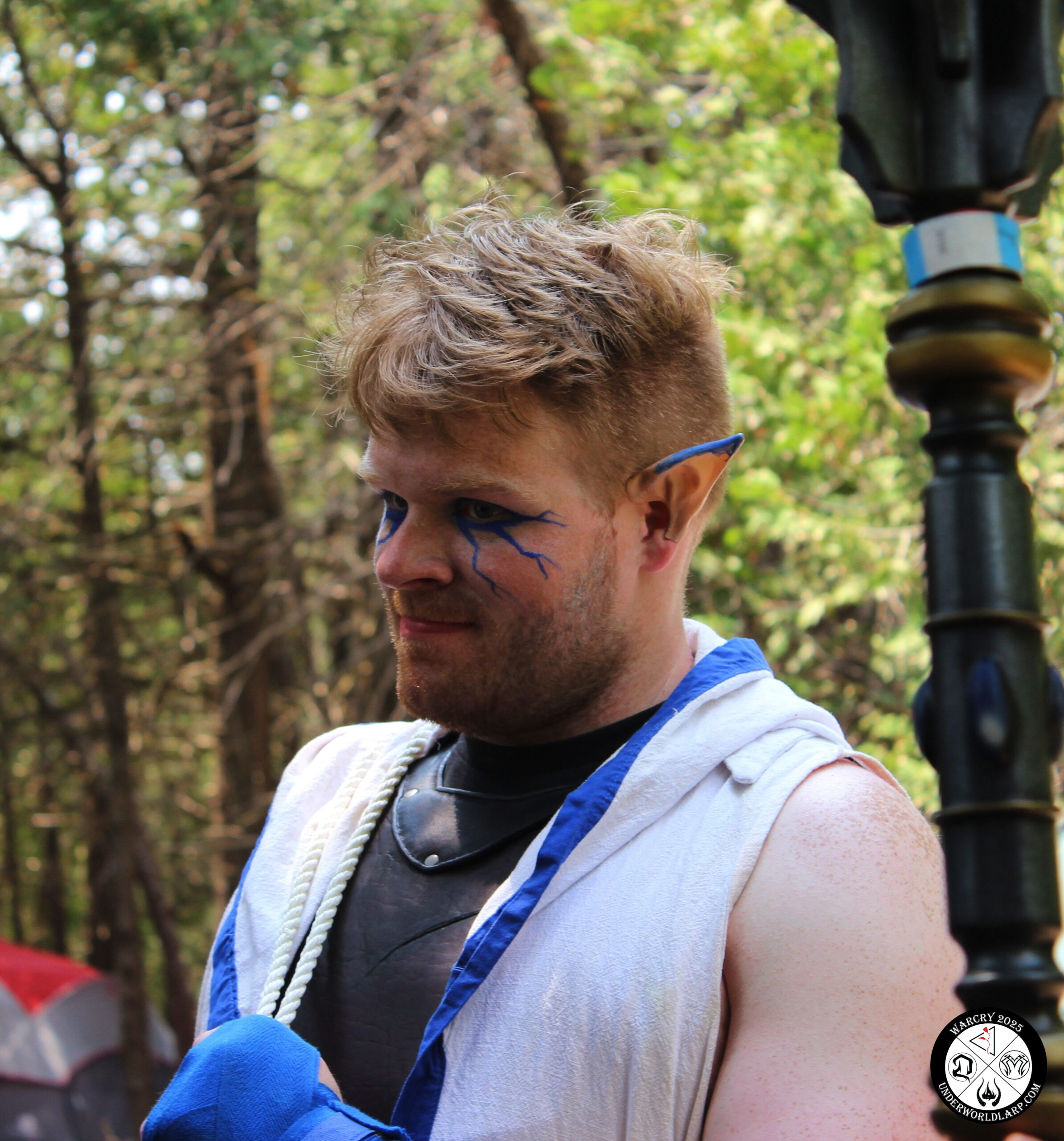 Though intended to endure for life, a partnership may be dissolved under extreme circumstances. If both parties agree that the bond has become irreparably dysfunctional, separation may be permitted under the supervision of a Darkweaver of Pandora or a Pilgrim of Peace, who ensures that the decision is made with clear minds, discipline, and understanding of what it means to give up a struggle. If no agreement can be reached, the matter is resolved through far harsher means. In such cases, the bond may be severed through a ritualized trial, often one of suffering, endurance, or combat until one party yields or dies. This is not undertaken lightly, and those who invoke such a resolution are forever marked by it, regardless of the outcome.
Honesty is considered foundational within the bond. To deceive one’s partner is to undermine the very purpose of the relationship. Truth, even when painful, is necessary for growth. While rare exceptions may occur in extreme circumstances, deception is broadly condemned and viewed as a failure of discipline.
A partner must be trusted not only to support but to confront.
Variations Among the Bands
While the core philosophy of partnership is widely shared, its expression varies across the bands of the Crissen’Thalan:
- Among the Cold Spears and Sisters of Suffering, partnerships are often structured, with some unions determined through rite and lineage.
- The Nomads of Hayte reject permanent bonds entirely, favouring communal trust over singular attachment.
- The Sylth Al’gor frequently view partnership through a political lens, forming unions that reinforce status, influence, and control.
- The Pilgrims of Peace avoid deep attachment where it would interfere with their duty, though bonds between them are not unheard of.
Despite these differences, the underlying truth remains constant. A partner is not chosen to complete you. They are chosen to challenge and support you.
Politics and Governance
The Crissen’Thalan do not exist under a unified banner. Each band governs itself independently, guided by its own leadership, doctrine, and interpretation of Pandora’s teachings. No singular authority exists to unite them, and no lasting council has endured long enough to impose order across all of Jormunger.
 What binds the Ice Elves is not governance but external pressure. Jormunger’s position within Maud’madir ensures that the Crissen’Thalan are never free from such pressures. To the west, the Einher of Mjoll command the seas and launch constant raids along the frozen coast. At the heart of Jormunger, the White Dragon Zsiera claims dominion, her presence warping the land and threatening all who dwell within it. To the south and east lie the lands of the lesser races, whose trade is necessary but whose intentions are never fully trusted.
Surrounded on all sides by enemies and scarcity, the Ice Elves endure. But they do not stand united. Despite their shared origin and devotion to Pandora, the bands of the Ice Elves are politically divided. Alliances form and dissolve over generations, shaped by necessity rather than unity. The most significant of these divisions lies between the Sylth Al’gor, who seek consolidation of power through authority and religious legitimacy and the Cold Spears, who reject such control in favour of a more feudal autonomy and traditional survival. This divide is not merely political, it is philosophical, and in recent years it has begun to escalate beyond tension and into open conflict.
Following the most recent devastation wrought by Zsiera’s breath on May 21st, 2264, great domes of ice rose over major Ice Elf population centers, shielding them from annihilation. When these domes fell, the world that emerged was not the same. Beh’lor, Spearholder of the Cold Spears, emerged from the ice and publicly denounced the Sylth Al’gor. He declared them liars. He declared their path false. He declared that their influence would fracture the Crissen’Thalan beyond recovery. This proclamation marked the first open rejection of Sylth Al’gor authority in generations.
For centuries, the Sylth Al’gor have demanded tithe from the other bands in the form of any Dread Knights appointed amongst them, consolidating military power under the authority of the Voice of the Queen. While once accepted, if uneasily, as divine necessity, this practice is now increasingly viewed as political overreach. Compounding this fracture, the Sisters of Suffering, who once supported the Sylth Al’gor through influence and lineage, have turned instead toward alliance with the Cold Spears. The balance of power has shifted.
While the Ice Elves turn inward, their greatest enemy regathers. The Einher of Mjoll, long divided by civil war, have unified under High Chieftainess Revna Mothersblood. With their forces consolidated, the threat they pose has never been greater. As of 2268, the western coasts of Jormunger bear the brunt of their raids, where smaller Ice Elf bands must constantly defend against seaborne incursions.
The Sylth Al’gor, seated in the northeastern city of Nevasca, claim necessity in their consolidation of power, citing the need for a unified military force to withstand the coming storm. Many do not share this view. Though Nevasca stands as the last surviving city of the Crissen’Thalan, and holds immense cultural and spiritual significance, it lies far from the most heavily contested western front. Among the other bands, it is increasingly questioned whether the Sylth Al’gor’s demands are born of defense or control.
Thus, the Crissen’Thalan face a dire paradox: To unite under the Sylth Al’gor is to risk subjugation. To remain divided is to risk extinction.
Jormunger is not a land that sustains life easily. The Ice Elves cannot grow crops significantly within its frozen expanse. The creatures they hunt are not prey, but predators, where each hunt is a risk rather than a guarantee. Resources such as metals, textiles, and crafted goods are limited and difficult to produce in meaningful quantities.
Despite a cultural inclination toward isolation, the Crissen’Thalan are forced into trade for survival. The Cold Spears maintain trade relations with eastern nations, including the Empire of Berphaunt. The Sylth Al’gor engage with the Shadow Isles, Tiefanue, and the larger nations of the Whiteraven Alliance. Dwarven mining colonies within Jormunger are provided access to valuable metals in exchange for goods and expertise. Trade is not viewed as an alliance. It is viewed as survival. And survival demands compromise.
The Pilgrims of Peace move between bands without allegiance, serving as advisors, healers, and guides in accordance with Pandora’s teachings. Unlike other factions, the Pilgrims do not seek power, territory, or influence. Their purpose is singular: To serve where they are needed, and to ensure the continuation of their doctrine through the training of new initiates within the Abbey. They are assigned to bands, not aligned with them. They do not command, they do not manipulate, and they do not choose sides. By their own doctrine, conflict, suffering, and division are not problems to be solved but realities through which lessons must be learned. As long as they are able to continue their work training initiates, guiding individuals, and preserving the teachings entrusted to them the Pilgrims remain content. Yet their neutrality is not widely trusted.
In a time of growing conflict, few among the Crissen’Thalan believe that any force can remain truly impartial. Pilgrims are often suspected of hidden loyalties, quiet manipulation, or unseen influence, regardless of their intentions. Bands attempt to leverage them. Leaders seek to sway them. Some view them as tools. Others as spies. And in more extreme cases, they are treated as threats to be removed before their perceived influence can take hold. The Pilgrims themselves do not respond to these suspicions in kind. They endure them. Whether this neutrality is wisdom, blindness, or the truest expression of Pandora’s will-made-manifest remains a matter of ongoing debate among the Ice Elves.Despite the divisions amongst the bands, there exist regions within Jormunger where open conflict is restrained. Certain settlements such as the colony of Mournfall have come to function as neutral grounds, where bands may meet, negotiate, and interact without immediate escalation. These places are not free of tension, but they are respected, for now.
View on Other Races
The Crissen’Thalan are, by nature, suspicious of outsiders. They respect endurance, discipline, and self-control above all else and judge other peoples by how closely they reflect those virtues. This does not mean Ice Elves refuse all dealings with outsiders Jormunger is too harsh for such purity but it does mean that most relationships begin from caution, contempt, or cold practicality rather than trust.
Elves: Ice Elves have a strained and often bitter relationship with the Thalan. Their exile from the Grey Elven city, disdain for Ll’yandra and their removal from the Garden have left many Crissen’Thalan viewing the Thalan as estranged kin at best. Faithless, soft weaklings at worst.
High Elves: The Ice Elves look upon these descendants of the Grey Elves with particular scorn and hatred. To them, the High Elves are the inheritors of the weakness that led to exile, infected with a cultural impotence that culminates in the elevation of lesser races above strength. They see their collaboration with the Human kingdoms and nations not as political unity between races, but as a cancerous weakness and capitulation to the Humans. While they may hold individual High Elves in regard for their actions, they have only disdain for the weakness of their culture.
Dark Elves: Ice Elves typically have cordial and even friendly relations with Dark Elves, despite infrequent encounters with them. They recognize and find common ground with them due to the Drael’Thalan close cultural ties with the Goddess Raze, and its similarity to theirs with Pandora. Their vast capacity for hatred against outsiders is also greatly appreciated by the xenophobic Ice Elves. Sisters of Suffering tend to have particularly good relations with the matriarchal Dark Elves, as a solely female and politically focused band.
Fire Elves: The two cultures almost never have the chance to interact, though they often find many commonalities between their two cultures when they do. Both have found life purpose in survival and endurance. However, these surprising similarities between the two are just as likely to form a strong camaraderie born from common ground as they are to create fierce rivalry with arguments over differences in practices and outlook.
Wild Elves: They appreciate their tenacity in the face of harsh environment, but Ice Elves often find them undisciplined and unruly. The bands will kill them with no prejudice should they be found in Ice Elven territory if they can, but in some rare cases on the very borders of such territory, small independent bands can often be found working together with some Wild Elven tribes.
Mountain Dwarves: Relations with Dwarves are cold but functional. The two people find common ground in pragmatism and trade, particularly where mining and commerce in Jormunger are concerned. They are not friends; they are just useful.
Wood Fae: Ice Elves generally regard Wood Fae with thinly veiled disdain. Their carefree nature, pursuits of pleasure and easy friendliness, all strike the Crissen’Thalan as signs of softness and poor discipline. Their love of life, so central to their nature, is rarely admired by Ice Elves. At best Wood Fae are seen as frivolous and naive. At worst they are the sort of people who mistake comfort for strength.
Greenskins: Ice Elves see all ‘greenskins’ as impulsive, undisciplined and lacking in self-mastery. Yet, they are also destructive, aggressive, and easily turned against common enemies. For this reason, the Crissen’Thalan often regard them as tools to be directed and discarded.
Draconians: Draconians are almost universally despised. To the Ice Elves they are the spawn of Dragons, and Dragons have brought ruin enough upon Jormunger. Given Pandora’s hatred of the Firstborn and the scars Dragonkind has left upon Ice Elf history, many Crissen’Thalan consider it best practice to kill Draconians on sight.
Einher: The hatred of Einher that resides within the heart of Ice Elves defies the reason and practicality that they typically pride so much. Their animosity is only matched by the Einher’s returned detestation of the Crissen’Thalan.
Humans: At best an individual Human may be regarded as a particularly noteworthy member of this lesser race. However as a whole, the Ice Elves still believe the introduction of Humans to be the cause of the Grey Elves’ downfall, and subsequent Shattering. While individuals may be impressive, the race is generally held in contempt.
Roleplaying Tips
Ice Elf characters should reflect:
- Discipline over impulse
- Purpose over comfort
- Growth through hardship
Different bands provide different expressions of these traits:
- Cold Spears: Direct, martial, grounded
- Sisters of Suffering: Intense, ritualistic, commanding
- Pilgrims of Peace: Calm, observant, philosophical
- Nomads of Hayte: Stoic, extreme, survival-focused
- Sylth Al’gor: Controlled, political, authoritative
Ice Elves rarely act without intent. Even their suffering has purpose.