

Goblin
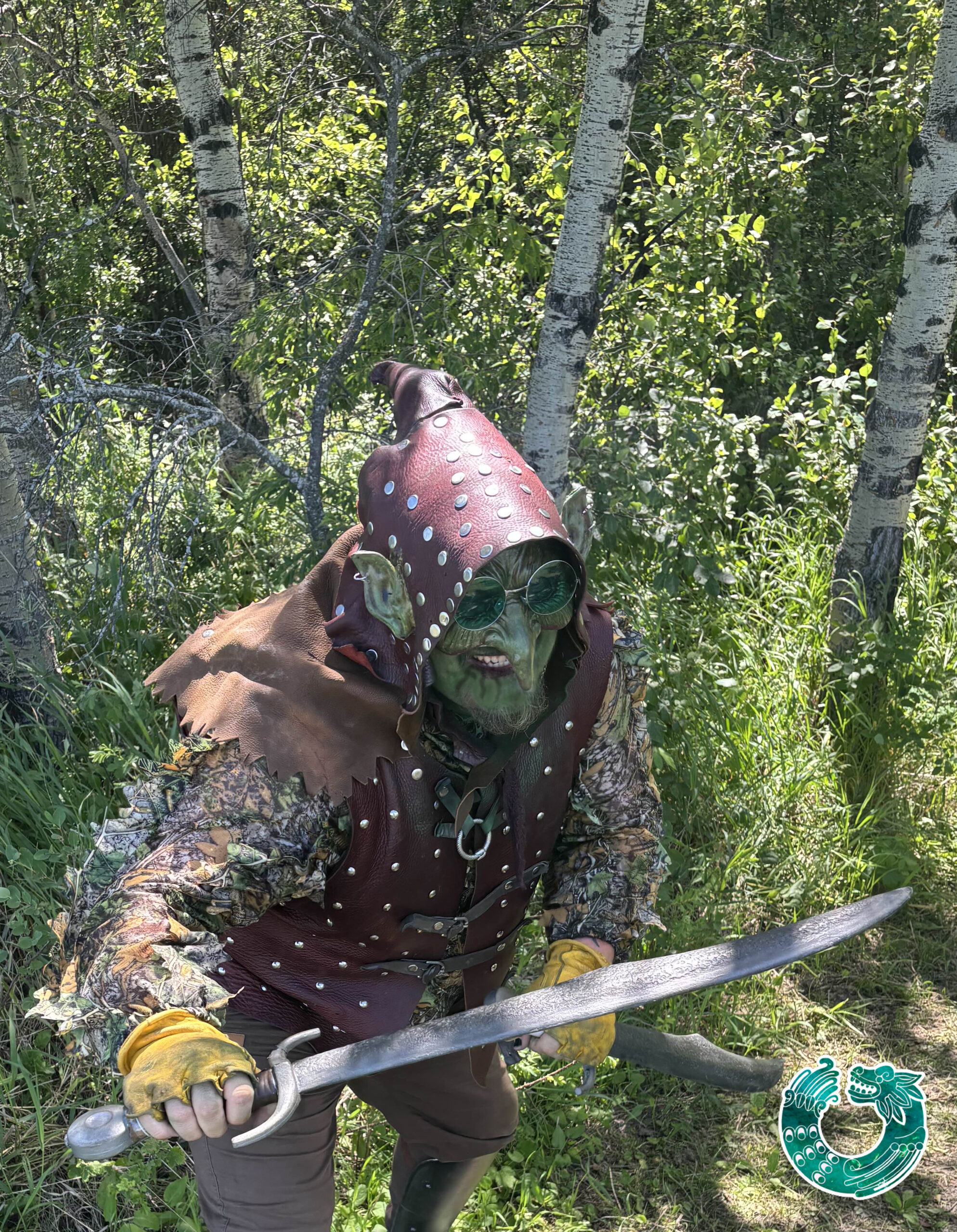
This race of cunning, diminutive greenskins, infamous for their volatile and often catastrophically dangerous alchemy, ranks among the most vile and repulsive creatures to stalk the surface of Arthos. Though they lack the brute strength of their Orcish kin, they more than compensate with a sly, predatory cunning and a talent for treachery that outstrips most other Goblinoids. Honour is alien to them, generosity rarer still; they revel in cruelty, pettiness, and the perverse delight of making everyone around them deeply uncomfortable. Filth clings to them as naturally as malice, and they flourish in almost any environment, often swarming in mixed clans alongside their greenskin cousins, where their sharp minds and sharper tongues earn them both grudging respect and simmering resentment.
Language: Ukrainian
Life Expectancy: 40 – 60 years
| Child | 1 – 5 |
| Teenager | 6 – 10 |
| Young Adult | 11 – 15 |
| Mature | 16 – 20 |
| Middle Age | 21 – 39 |
| Old | 40 + |
Contents
History
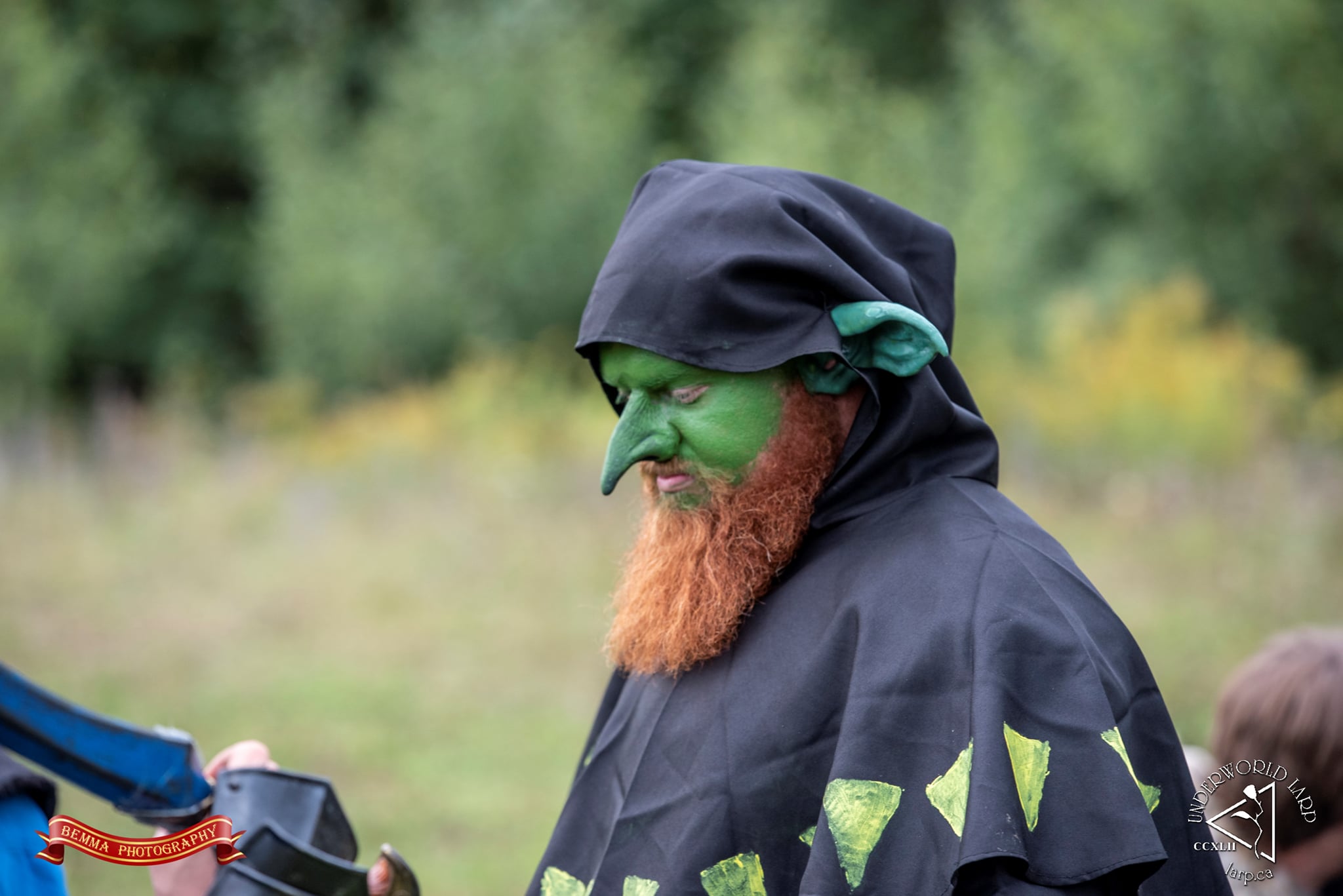 Unlike their Orcish cousins, the Goblin race does in fact keep a record of their history. In fact they keep thousands of records, albeit none can be said to be anything more than an entirely fictitious collection of outrageous lies. All that can be said for certain is that the Orcs existed first, and that the Goblins came later. Nearly everything else said by a goblin on this matter can be dismissed out of hand.
However, recent scholarship amongst the learned folk of Duvian has led to the development of a new theory regarding the genesis of goblin-kind. According to these recently unearthed records that date back to some of the first records written by the founding civilizations of Maud’madir, these peoples, when bereft of the wisdom and might of the Grey Elves after their own fall from grace, fell victim to a virulent plague. Each race dealt with this sickness differently. The Dwarves barred the gates to their underground halls and remained in quarantine for decades, while the Savar’Aving and Wolven fled further west to avoid its spread. The humans had none of the hidden wisdom of the elves, and thus were forced to cry out to their gods for salvation.
Baaagh, patron deity of the greenskins, offered no such mercy, nor did the greenskins ask for it. Instead, they sought their own means to counter this blight upon their peoples. The work was slow, and it ravaged their people for decades. Some scholars have further theorized that the explosive growth of Human civilization in these early years is at least partially due to the mortality rate of the blight upon the Goblinoids, who would otherwise be raiding and waging war upon the weaker “pinkskins.”
After a great deal of trial and error, these Orcs managed to partially subdue the parasites that had before been consuming them entirely with a mixture of herblore and shamanistic magic, thus stalling the spread of the plague. These rites are believed to have had dire consequences though, as the parasites did not entirely stop consuming their hosts. Over time these infected Orcs saw their once mighty bodies diminish and shrink to the hunger of their new internal passengers, and while they eventually reached a state of symbiosis with their parasites, the damage had been done. Their forms had been irrevocably altered.
These smaller, weaker Orcs that annoyed their larger brethren with their quicker minds and sharper tongues were largely despised by a culture that valued only might, and when Baaagh subdued the Shadow Dragon Shiloth centuries later, his Crimson Titan Clan commanded these weaklings he so despised to drink heartily of her blood. The hope was the draconic strength that ran through her veins would empower them, but instead an altogether different result occurred. While many Goblins simply fell over and died as they consumed her toxic blood, many more simply vomited the strange array of fluids they had greedily consumed. As the Shadow Dragon took advantage of the confusion to escape Baaagh, those that survived studied the strange pools of fluid and their effects. Some caused paralysis, some simply burned at the touch, while others wiped sections of their memory clean. These discoveries in turn formed the basis for the science of alchemy, whose very essence became intertwined with the nascent Goblin race. All it takes is for an alchemy to touch their lips, and the fluids that bubble within their form remember what they were on the fateful day, and are transfigured by a simple act of will. Over time the Goblin race spread across much of Arthos in the same manner as the Orcs, complimenting their raw strength with their own low cunning, and winning at least some small measure of respect from their larger cousins.
Geography
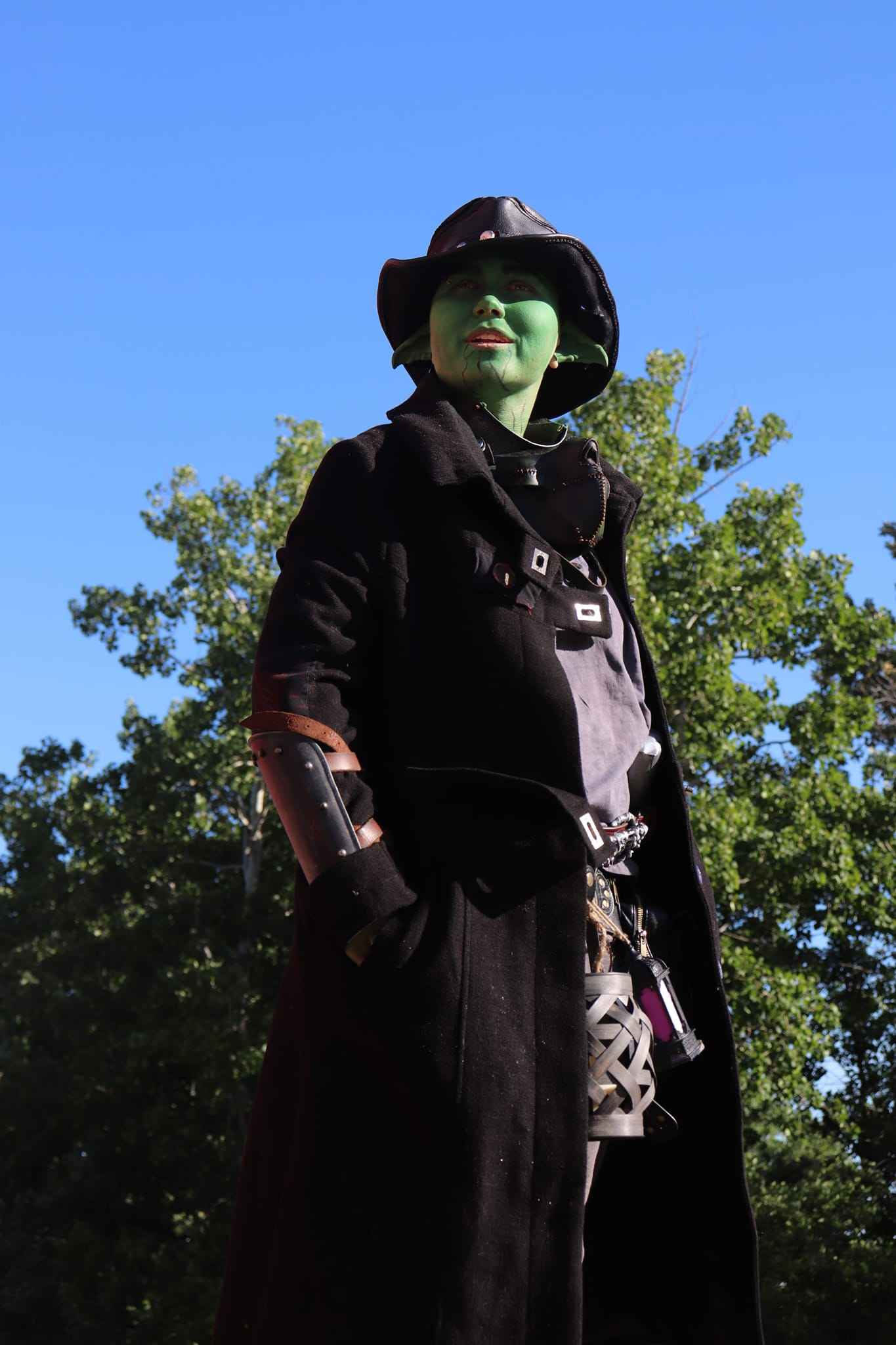 Much like the other Goblinoid races, Goblins are quite numerous and known to settle down in all corners of the known world. Given the prejudice that much of the so-called civilized folk have for them, most Goblins tend to put down roots in more remote and unwanted areas. Thus on Maud’madir they tend to be found in places like arid wastelands, deep forests, and natural caves far enough away from the nearest Human or Elven outpost to be left undisturbed. They rarely build towns or cities of their own, and often instead repurpose old ruins or abandoned settlements that other races have relinquished. Their craftsmanship is crude, yet effective, and is often supplemented by the forced labour of pinkie captives when needed.
The largest portion of settled Goblins can unsurprisingly be found in the massive and ancient fortress-city of Voynak, home to the Amaranthine Legion upon the continent of Amaranthia. There, upon the second ring of the city known as the Ring of Honor, do the Goblins of the Legion make their home. While they are found amongst many of the other tribes and enclaves, most Goblins here belong to the Redshred Clan. Much of their quarter is consumed by the chaotic sprawl of the Green Bazaar, a vast and disorganized open-air market that serves as the primary economic engine for Voynak. Goods from all over Arthos can be found under its vast awnings, no matter how expensive, esoteric, or rare they might otherwise be. The merchants do tend to be a bit cagey around those a little too curious about how they acquired said goods, and buyers who wish to complete a purchase had best learn to put such concerns aside. After all, they’ll be busy enough trying not to get fleeced by the crafty Goblins that can all but smell the coinage in their pockets.
Culture
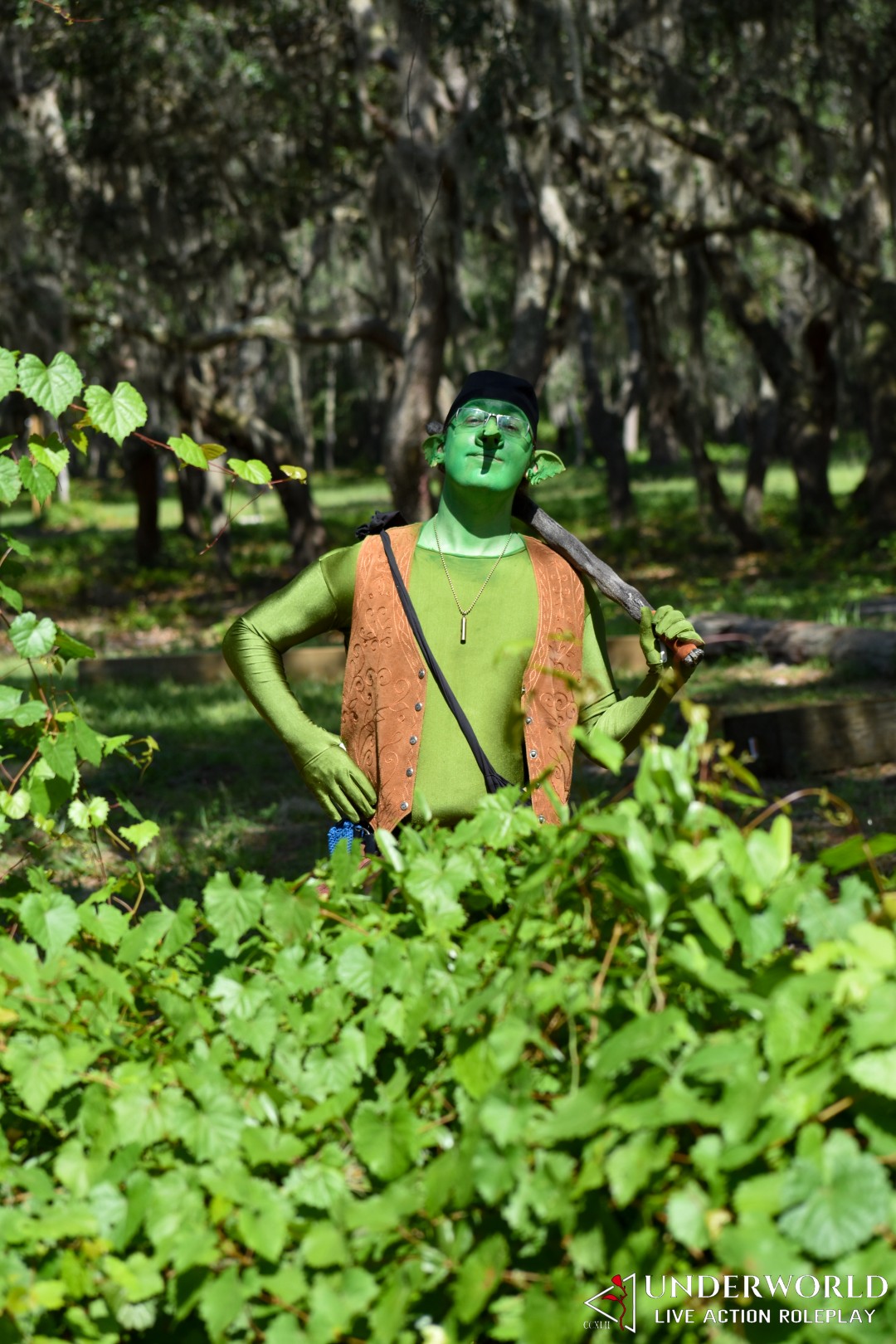 Goblin culture, or whatever passes for it amongst their kind, is a foul and base thing, for they are the very epitome of low culture. They enjoy cruel and base humor, foul jokes and indulging in all manner of base appetites. Be it during meal times or just social interactions, their manners seem to be deliberately tailored to be as disgusting as possible. Indeed, it does not just merely seem that way. For you see, unlike some of the other less-refined races, the Goblins are fully cognizant of what they are, and the effect they have on other folk. Most Goblins deliberately play up their most disgusting traits because the discomfort they subject these fancy lads too amuses them to no end. However, their foul nature does not end with merely how they comport themselves, and they are also perhaps the filthiest creatures on Arthos. It is only by the grace of their ‘little feeders’ that sickness and plague does not take more of a toll upon their people. Other folk have tried to explain the basics and importance of concepts like sanitation and cleanliness, only to receive blank looks in reply. They live amongst their garbage and waste, only getting rid of it when it starts to bite. The stench that wafts off of some Goblin settlements is truly unreal, and it sometimes manifests as visible clouds that obscure the horizon.
Unsurprisingly, Alchemy holds a special place of honor with Goblin culture. Much of what is known about the field finds its beginnings in those simple studies performed by the Goblin peoples centuries ago, when they fed upon a badly wounded Shiloth. To this day they have carried the work they began on that fateful day forward. Alchemy is in and of itself, a great equalizer. A stronger Minotaur can be made as weak as a newborn kitten, while a troublesome psionicist can be turned into a babbling simpleton with a few ingredients prepared and then spread across a small blade. Alchemy is the means by which they defend themselves against a hostile world that would otherwise control them for simply “being weaker,” and for that it is perhaps the one trade that a Goblin will not mock.
Politics
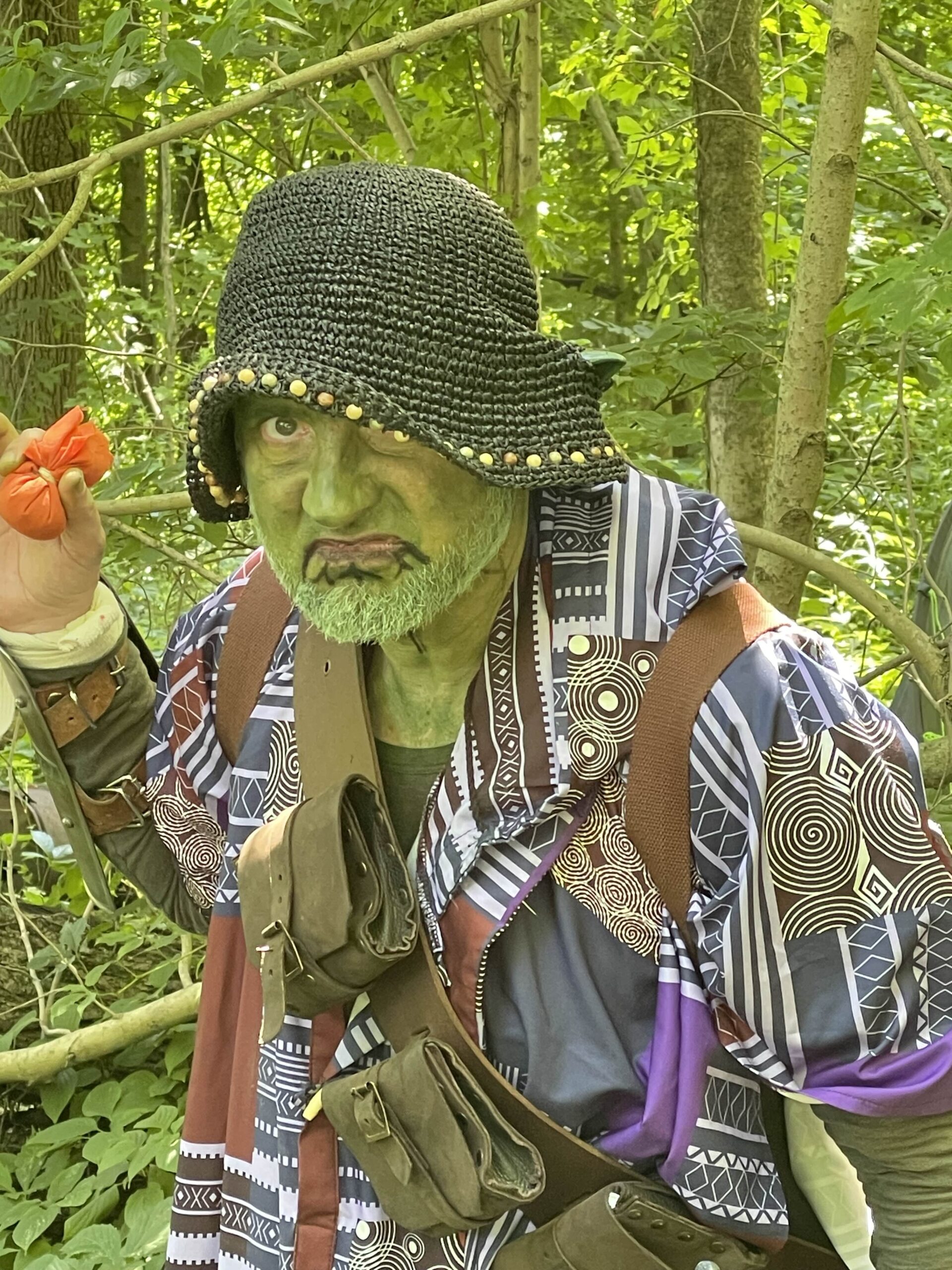 Like their Greenskin cousins, the Goblins are a tribal people whose social dynamics rarely rise beyond that most basic layer. Even those sworn to the Amaranthine Legion in some fashion merely acknowledge the High Warlord as the authority that their own leaders recognize as their boss. In many cases the Goblins can be found in mixed tribes with Orcs, Ogres, and Trolls, and although they very rarely lead these mixed tribes themselves, a particularly clever Goblin will usually have the ear of the Chieftain or War-Scarred, serving as their advisor.
In the cases where they do lead, the power dynamics at play are noticeably quite different from most Greenskin tribes. A successful Goblin leader is many things, and they are often as skilled at manipulation, flattery, and blackmail as they are at murder, for they do not possess the strength to rule by might alone. Their positions are often precarious, and require constant attention to the network of threats and bribes that compose the foundation of their authority. Unlike a Orc Warlord who may only need to keep an eye on a few of their most skilled and popular warriors, the knife that ends the reign of a Goblin Chieftain could come from any shadow. As such, most Goblin leaders are incredibly paranoid and cautious, and the few that aren’t tend not to last too long. Scholars from other races have compared this dynamic to the social dynamics displayed by many organized criminal groups, a comparison that many Goblins wear with pride.
Tribes
These are but some of the various Goblin tribes found throughout Arthos. They are a diverse and scattered people, and these do not represent the fullest extent of their cultures.
The Redshred Clan
While the Redshred cared little for the unification of the clans under the Amaranthine Legion initially, it soon found out a new nation would need supplies en-masse. Countries don’t simply build themselves, after all. Warlord Spittleslade Gutrender and the Redshred now have begun a lucrative campaign across Maud’madir to fund the construction efforts of the Legion, as well as arm their new warriors. With no other options for such a steady influx of well-made implements, the Legion have turned a current blind eye to Spittleslade’s viciousness and appetites.
The Redshred see it as their mission to liberate enslaved Goblins, as well as bring death to their jailers. They frequently break Goblins out of prisons, with unspeakable consequences for their captors. Their secretive workshops dot the entirety of Maud’madir, and filter supplies and freed greenskins back to Amaranthia by unknown means.
The Nilbog Coalition
The self-styled ‘Nilbog Coalition’ is a loose conglomerate of highly skilled Goblin alchemists based in Duvain. These Goblins, obsessed with the reactions produced by alchemical interactions, tend to be extremely mercantile. When not hawking their goods and services, their members can be found pursuing new knowledge and breakthroughs in what they call ‘The Art’. While their methods and practices are often haphazard in the extreme, their nigh suicidal willingness to make use of any available ‘Juicy Bits’ and experimental apparatuses often yields impressive results. They are traditionally garbed in what they will loudly assert to be ‘protective equipment necessary for the Art’; an all-covering alchemy stained robe or cloth cover, a pair of goggles to protect from splashing liquids, and a soaked rag acting as a mouth covering to protect against inhaling condensed gases. They will accept any Goblin willing to dabble in alchemical studies as apprentices, but only those willing to specialize have any hope in ascending in its ranks. Run by a committee of chemists rumored to be called ‘The Emerald Table’, each member is hand-picked and vetted by the Chairman of the local Coalition enclave who directs the scope and direction of the committee’s research. While this may seem startlingly democratic to outsiders the truth is that the head of each Coalition enclave holds onto their position through subtle (and less than subtle) manipulation as well as rigorous information control.
The Fangs of the Great Green
There is a small island, just off the coast of north-western Amaranthia that is avoided by all right-thinking folk. No mariner would dare set foot there, not even if refusing to do would instead mean braving the fiercest ocean squall in a leaky rowboat. Known as the Great Green by the tribes of Amaranthia, it is a tropical jungle so thick that it is said that the ground within its boughs has not seen sunlight since the dawn of the world. None know the full truth of that claim however, as setting foot upon its shores is a death sentence. The Goblin tribe that inhabits the Great Green is utterly alien, the tongue they speak is entirely foreign even to the most learned scholar, and their violent, xenophobic nature rules out any sort of contact that is not immediately hostile. Covered in strange tattoos and wielding odd weapons of flint and bone, they descend upon any interlopers like bloodthirsty locusts. Any force capable of resisting their initial assaults will see the Goblins melt into the thick jungle, and if pursued further the natural dangers of the Great Green inevitably take their toll upon the invaders.
Religion and Superstition
Given the propensity for Goblins to be petty, selfish, and cruel creatures, there are very few goblins devoted to the Gods of Light. Matters such as honor, justice, and mercy do not come easily to their minds. Exceptions to this generality do exist, but most other folk would consider such a creature to be either lying, or to be actively mocking the Light God they claim to worship. That being said, reverence of Salam by Goblin arcanists is not uncommon, and Ryiak’s ways do resonate with a surprising number of Goblins. The greenskins devoted to the Cat Lord love nothing more than taking down their betters by a few pegs, be it by pranks or by theft. The fact that they can still call themselves ‘good people’ afterwards is just icing upon the cake.
Worship of the Dark Pantheon is unsurprisingly, far more common. A great portion of Goblins claim to worship Baaagh, but it cannot be said that most do so with the same fervor as their Orcish brethren. Raze is often chosen as a patron by those Goblins who have been severely wronged by anti-Goblinoid prejudice, and Erasmus is popular amongst the more mercantile and greedy sort of Goblin. Dietremen is by far and away the most commonly worshiped God aside from Baaagh, with thousands upon thousands of fervently-devoted worshipers putting their deceitful wiles to work amassing bounties of secrets for the Nightkeeper’s glory.
Draconic reverence is extremely rare amongst the Goblin race. Most of their kind do not display the sheer force of personality and aura of command that the Firstborn look for amongst their knights. Occasional exceptions can be found of course, with Essyllt being somewhat popular amongst Goblin abolitionists, and Rathenoch among those more enamored with material wealth and power.
Common Personalities and Views
In much the same way that Orcs can be said to be defined by their strength, Goblins are said to be defined by cunning. Unlike their typically oafish Orcish cousins, Goblins are usually quite intelligent. However, their mental might is not a refined, cultured intelligence exhibited by folk like the High Elves, for it is a far more base and vulgar sort of wit. While their plans are often foul or unrefined, only a fool would mistake them for being dense.
As much as their talents are used, Goblins still largely live in a society that does not value the gifts of the mind, and are frequently the targets of abuse thanks to their smaller stature. As such, Goblins tend to be petty, cruel, and vindictive, and they do not easily forgive. They nurse grievances for years, and love nothing more than assuaging their prodigious egos by taking vengeance, both petty and not so petty, upon those with power over them.
Marriage and Mating
Marriage for love is essentially unheard of in Goblin culture, with it being an almost entirely political affair. While any Goblin may mate and associate romantically with whomever they wish, the Goblin approximation of marriage is in and of itself an institution meant solely to bind rival families together and secure alliances. Given the paranoia, cruelty and fear that rule most Goblins, binding two families together in such a manner is seen as one of the few ways for two rival families to really trust each other. Outside of the bonds of kin, trust is a rare currency, and thus few Goblins are permitted the luxury of marrying for anything but political reasons.
Traditional Goblin reproduction itself is incredibly foul and revolting by the standards of most folk, with few scholars able to stomach witnessing it more than once. When it is time to give birth, Goblin mothers gather in large numbers and descend into a small, stinking pit filled with stagnant water and millions of their dead parasites. The stench alone is said to be so foul as to ward off all other predators. Once submerged past their waist, these mothers give birth to young in the double digits and fill up the spawning pit over the course of several hours. Only those young that survive the scrum and manage to crawl out of the pit are considered to be actual Goblins and members of the family. The rest either die in the press of writhing Goblin young, or are consumed by their greedy siblings for the energy needed to escape the pit.
Views on Other Races
Humans: “Ain’t no other folk that have messed with us greenskins nearly as much. I hate these pricks with a passion. It’s pretty funny when you stab them in the kidney though; that always gets a laugh.”
Dwarves: “They usually got good shit in their tunnels. If you’re quick, it can be your shit.
Einher: “I guess don’t torment with the ones that pal around with Orcs. The rest of’em are free game.”
High Elves: “To the Hells with these pretentious wretches. Screw with them every chance you get!”
Dark Elves: “If you gotta be around a knife-ear these ones ain’t so bad. They usually got good poisons for sale. Now if only they’d say thank you for us finding those concoctions first!”
Orcs: “Big and strong, but dull as hell. They need our guidance or the pinkies will walk all over’em.”
Ogres: “Bigger and stronger. Sometimes even duller. Good bodyguards, just make sure you don’t get stepped on. Oh, and don’t tell the High Warlord I said all that.”
Kobolds: “They think they as clever as us; they ain’t! Good eatin’ though.”
Minotaur: “These guys are big, strong, and very much NOT gullible. Make sure you actually pay’em what you owe; they ain’t big on being cheated.”
Fae: “The only ones of these you can trust are the ones that look like us.”
Gargylen: “Humans didn’t have enough servants, so they made more outta nothing. I gotta say my black, shriveled heart feels a bit for these guys. I generally try to watch out for’em… they had a rough go of things.”
Draconians: “Be careful ‘round these guys. Many have been alive a long time and know all the tricks. Wary respect is what I am saying.”
Roleplaying Tips
Try to keep in mind that if you were raised around clans of the average ‘greenskin’, life probably has not been so great to you. You’ve been constantly surrounded by oafs that don’t truly understand or value your gifts, and have likely been kicked around for not being big and physically strong like them. Goblins tend to be quite smart, but in a low, base-born sort of way. This often breeds strong and easily slighted egos, a powerful sense of entitlement, and a bitterness directed at the general state of things. They often love nothing more than taking down those who see themselves as cultured, refined, or even just simply better than the Goblin in some fashion. Let petty resentment guide your path.