
Draconians
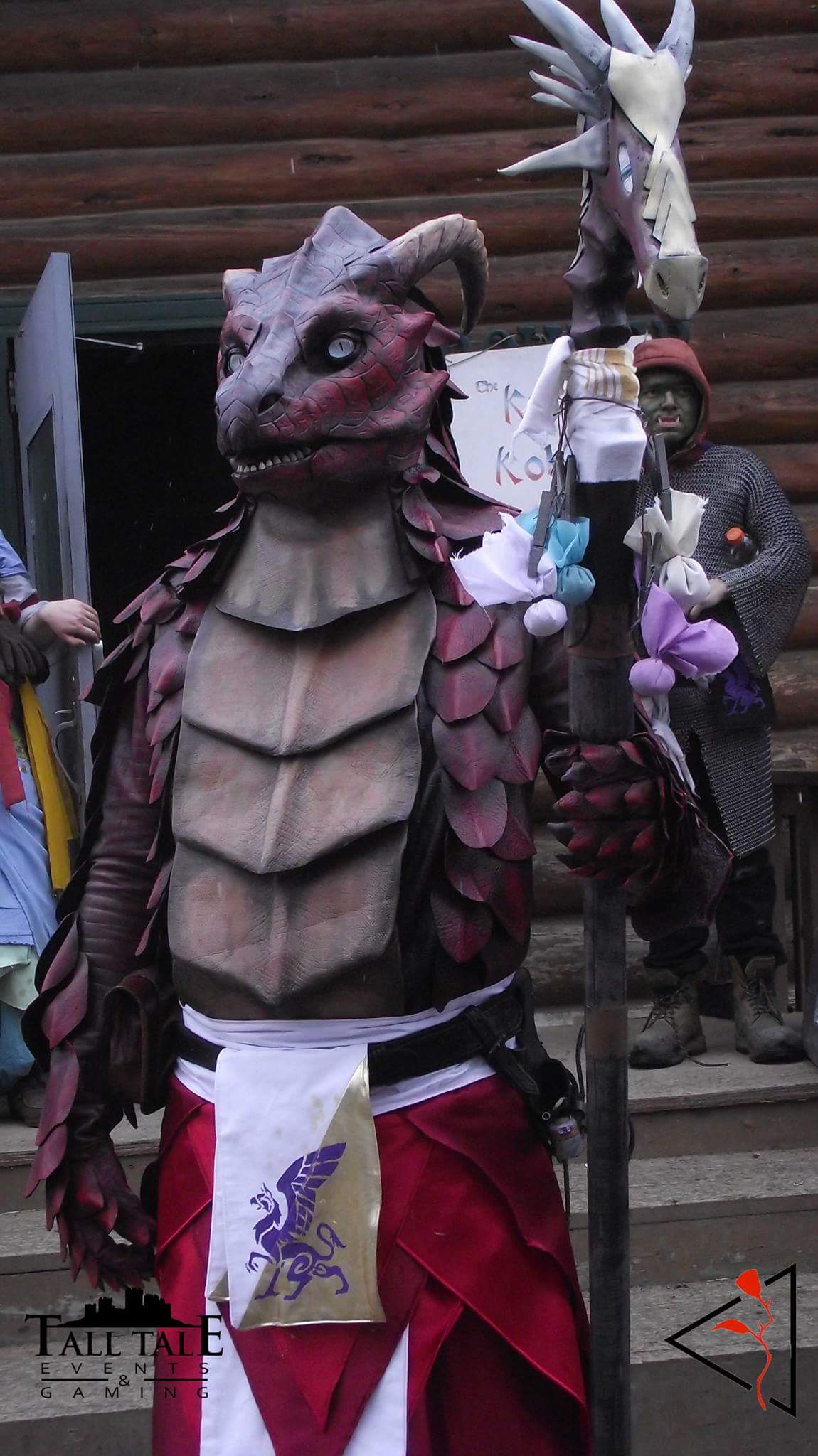
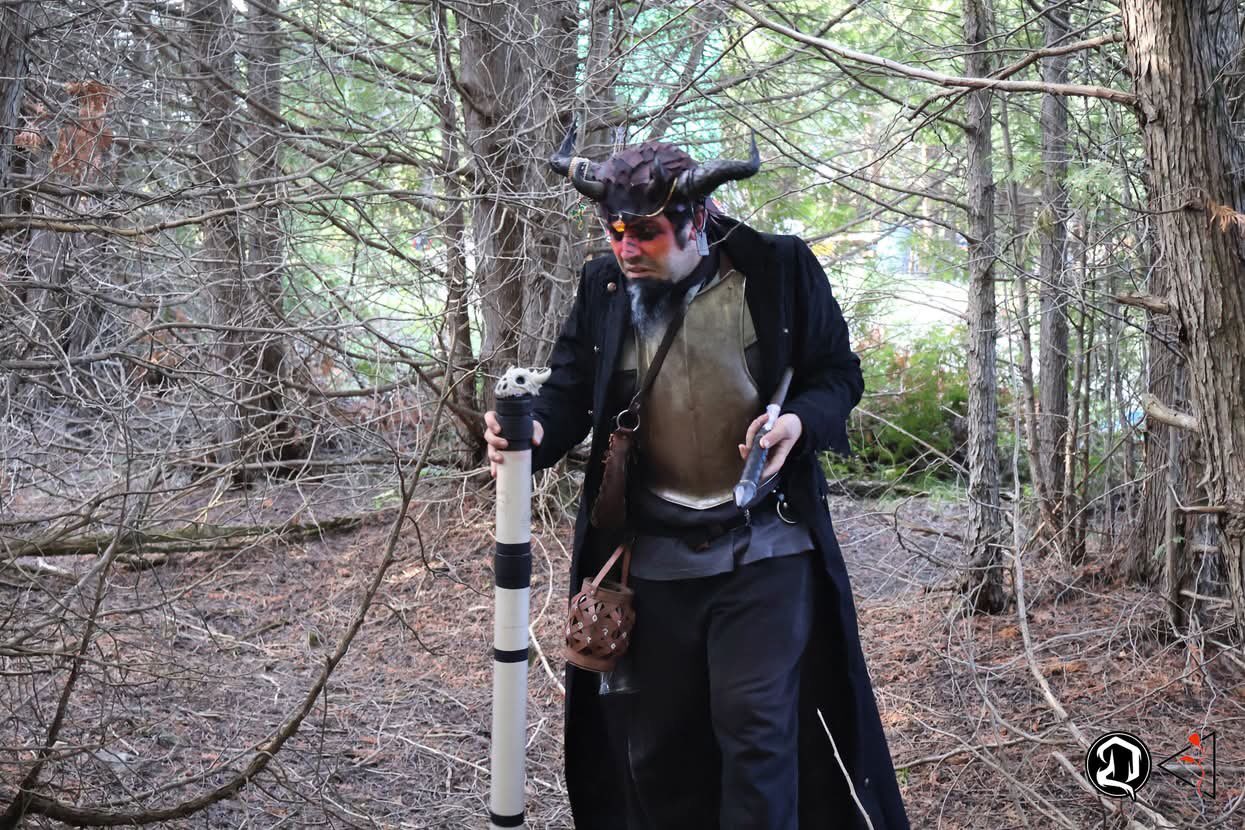
This rare race of scaled dragon-like folk are shaped by the passions and temperament of the Dragons, and in turn they distrust and despise all things Divine with a burning passion. Once ruling as the most prominent race of Arthos in an age of myth, they now are a pale shadow of what they once were. These natural immortals are seen as wonders to the peasantry, marking the event of a Draconian passing their hamlet as one to remember. While Draconians have settled in amongst many communities on the Material Plane, their small numbers and Draconic origins always set them apart from the local populace. In the current age, many live amongst those mortals that still revere their Draconic patrons, guiding and leading them in accordance with their nature. Every Draconian is tied to a patron Dragon, or “Firstborn” as they call them, which denotes the specific myriad hues of their scaled hides.
Language: Old English (Antiquated Common)
Life Expectancy: Immortal
| Child | 1 – 10 |
| Teenager | 11 – 39 |
| Young Adult | 40 – 100 |
| Mature | 101 – 350 |
| Middle Age | 351 – 999 |
| Old | 1000 + |
Contents
History
It is said that the reason that the Dragons of Arthos insist upon the more formal title of Firstborn is that they were the first sapient minds to awaken upon it. But the world they awoke into was very much unlike our own. In those days creation was not the shattered and stunted imitation of something once-great that it is now, but rather all that existed was but a single realm of unimaginable size and beauty. This magnificent place, known as the Dreamleaf, was a perfect utopia of life, love, peace, and harmony. The planes of the elements and the Astral Void overlapped one another seamlessly and, combined with other realms, created a perfect conjunction of balance and purity. Within this domain, magic flowed along the rivers of the Dreamleaf’s trunk and rained from the sky upon its branches and roots.
Even the myths shared by mortality regarding those days are fragmented at best, and it is unknown exactly why, how, and when the Firstborn created the Draconians. Some scholars believe that they desired sapient helpers, as stewardship of such marvels was an astounding set of labours without end, while others believe that they merely wanted children with whom they might share in the unparalleled beauty of their existence. Many legends even call into question whether the creation of the Draconians was a conscious effort, or a natural spontaneity of existence. Some tales speak of chance drake eggs hatching into bipedal draconic forms. Further stories claim that the first Draconians rose, fully formed, from the spilt blood of Dragons. Thalanian songs weave ballads of ancestors who existed before the emergence of the known Grey Elves, who transmogrified themselves into scaled forms to match the splendour of the great eternal beasts before them. Whatever the truth of the matter is, it is certain that the creation of an entirely new race of beings was a great magical work without equal, and one that might not be possible in the current fallen world.
Calling upon powers that have since left Arthos and channeling such astounding amounts of pure magic that the world shook with the incantations, this forging of raw mana into the very stuff of spirit itself was given scale and flesh. When the Dreamleaf settled once more, hundreds of thousands of draconic figures, their hides a vast and colourful kaleidoscope of colours, opened their eyes. Overjoyed with their success, each individual Firstborn collected their scaled children, and taught what was expected of them. Together they further improved upon the already indescribable beauty of the Dreamleaf, and raised great civilizations whose works have never seen their equal, and given the current state of creation, likely never will.
When the Thalan, otherwise known as the Grey Elves to most mortals, emerged from an uncertain place, they too were welcomed by the Firstborn lords and their Draconian children that ruled amongst the Dreamleaf. At the time, none could have known the strife that would follow them, nor would any Firstborn have ever predicted it. Though the Firstborn were puzzled by their very presence, the True Thalan seemed as amenable to their ways as their Draconians, and for a time all as well. Both scale and flesh lived in harmony with one another, crafting things both great and sublime under the watchful eye of the Firstborn.
Such beauty could not continue indefinitely. Salam was the first divine presence to bring strife to the Dreamleaf, but he would not be the last. His selfish attempt to seize the Ley Sphere would see the perfection of the Dreamleaf sundered, but it would also see the emergence of thousands of other Celestial beings, each with their own designs upon creation. The Firstborn retaliated with extreme prejudice against these astral invaders, and their Draconian children stood firmly alongside them. The Thalan though, were not always quite so loyal. While many still remained devoted to their draconic patrons, many still were swayed by what the Draconians called “the honeyed lies of the Gods.” Those caught in the middle suffered most, as God and Firstborn fought to secure their worship and reverence. Their once peaceful way of life was shattered as the already damaged Dreamleaf was torn asunder by their conflict. In the end, when draconic and divine blood coated the land as if it were an ocean, the remaining Gods retreated to their Celestial Realms rather than face the might of the ascendant Hell King who arrived abruptly to wreak havoc across Arthos. This brazen emergence of the King of Demons caused most Firstborn to take refuge within their warded lairs. Creation had nearly been broken under their destructive conflict, and it would never be the same again.
The Draconians were not obliterated by the chaos of the Age of Lucidity, but those few that remained were a far cry from those who had once stood as proverbial giants in an age of myth. Where once their scalework deflected all but the most enchanted blades, the millennia began eroding this defensive shell. Where once their spirits were brimming with the potential for resurrection, a weakness began to take hold deep in their very beings. Even their eggs, once known for hatching in expeditious wonder, began to take longer and longer to release their newborn young. While this dampening was ponderous, its effects continue to mar Draconians to this day. Some draconic sages claim the malady’s origin is the continued prayer, belief, and otherwise suffusion of Divine magic upon Arthos.
Coupling their physical and spiritual diminishment is one of culture. Much of their lore and secrets were either lost and forgotten, or torn from creation in some other fashion. The few who remained held onto what scraps they could, but even those were lost as the nascent mortal races pushed their once-great civilization aside. They had not the numbers, nor the will, to push back. For even the newly established Hundred Step Passage created by their Firstborn progenitors could not replenish their strength. And thus, Draconian civilization fragmented, with small numbers of the scaled-folk intermingling over time with those who still gave proper reverence to the rightful lords and shepherds of creation.
Geography
Draconians can be found on nearly every corner of Arthos. Wherever mortals revere a particular Firstborn, you can be sure that some of their scaled children will be found. The ancient wars fought between the Gods and the Dragons brought their once great kingdoms low, and so terrible was the carnage that they as a people have yet to fully recover from the losses suffered. Otherwise, Draconians can be found in almost all larger settlements and nations of Arthos, though in small numbers.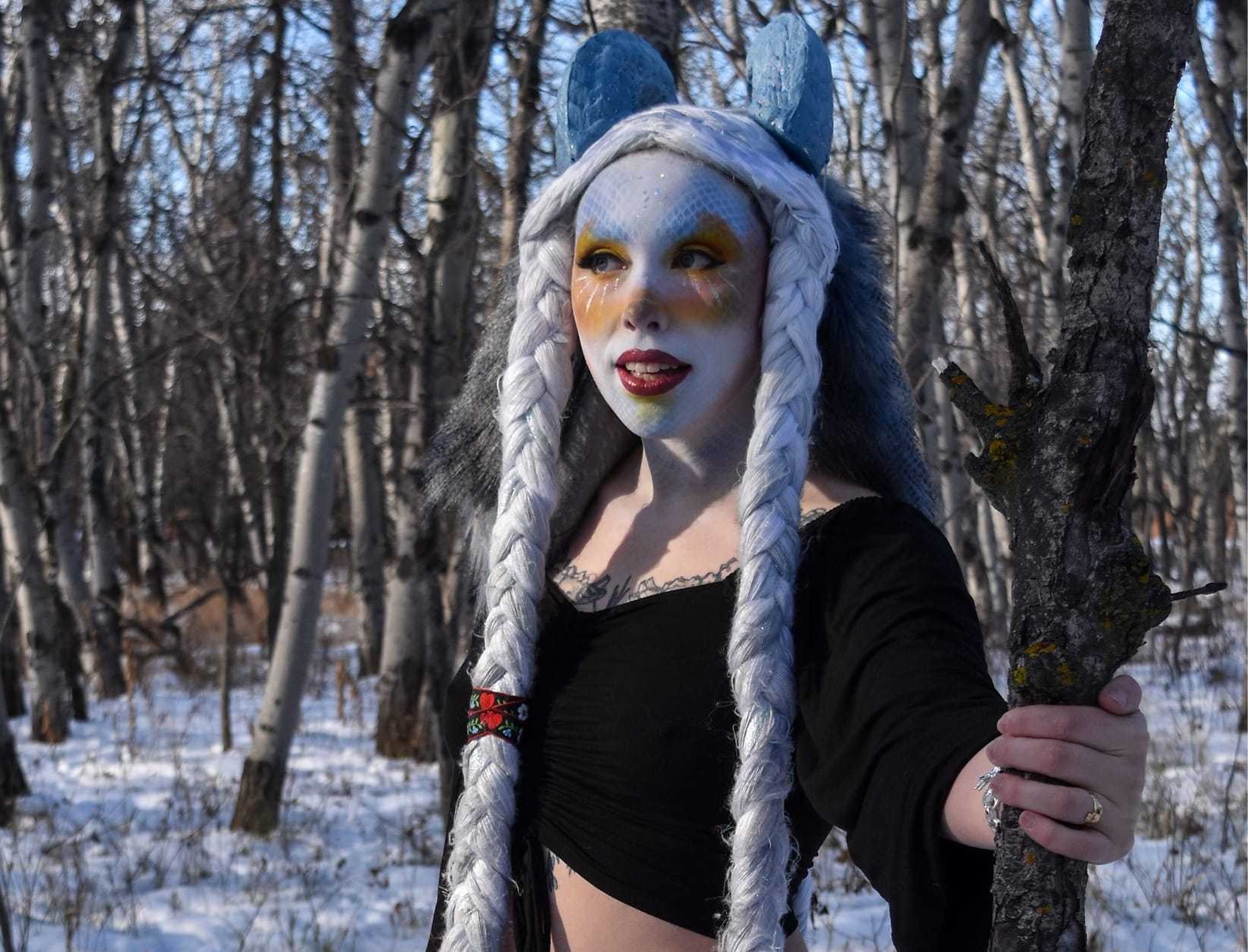 Many wander from place to place nomadically, while others take up residence in border townships or cloistered institutions of learning or self-discovery.
For Draconians without living Firstborn patrons, the choice of whether to stay or leave their former Dragon’s territory is a difficult one. As a dead Dragon’s dominion becomes inert with their passing, none of their ancient brethren can inhabit it due to their oldest laws. Some Draconians of the fallen Firstborn’s colouration cling to the memories tied to the very lands their forefathers called home, and refuse to move on from the traumatic event. Nostalgia becomes almost cloying to them, and even if it means living a more rural and rustic existence, they will not seek the comforts of modern society if it requires leaving their former patron’s domain of influence. On the other hand, other Draconians seek to grieve deeply, yet move forward, taking leave of the area at once. To stay would be to forever haunt themselves with not only the memories of a great ancestor’s death, but the feeling of an area devoid of the balm of Draconic Magic and essence.
Culture
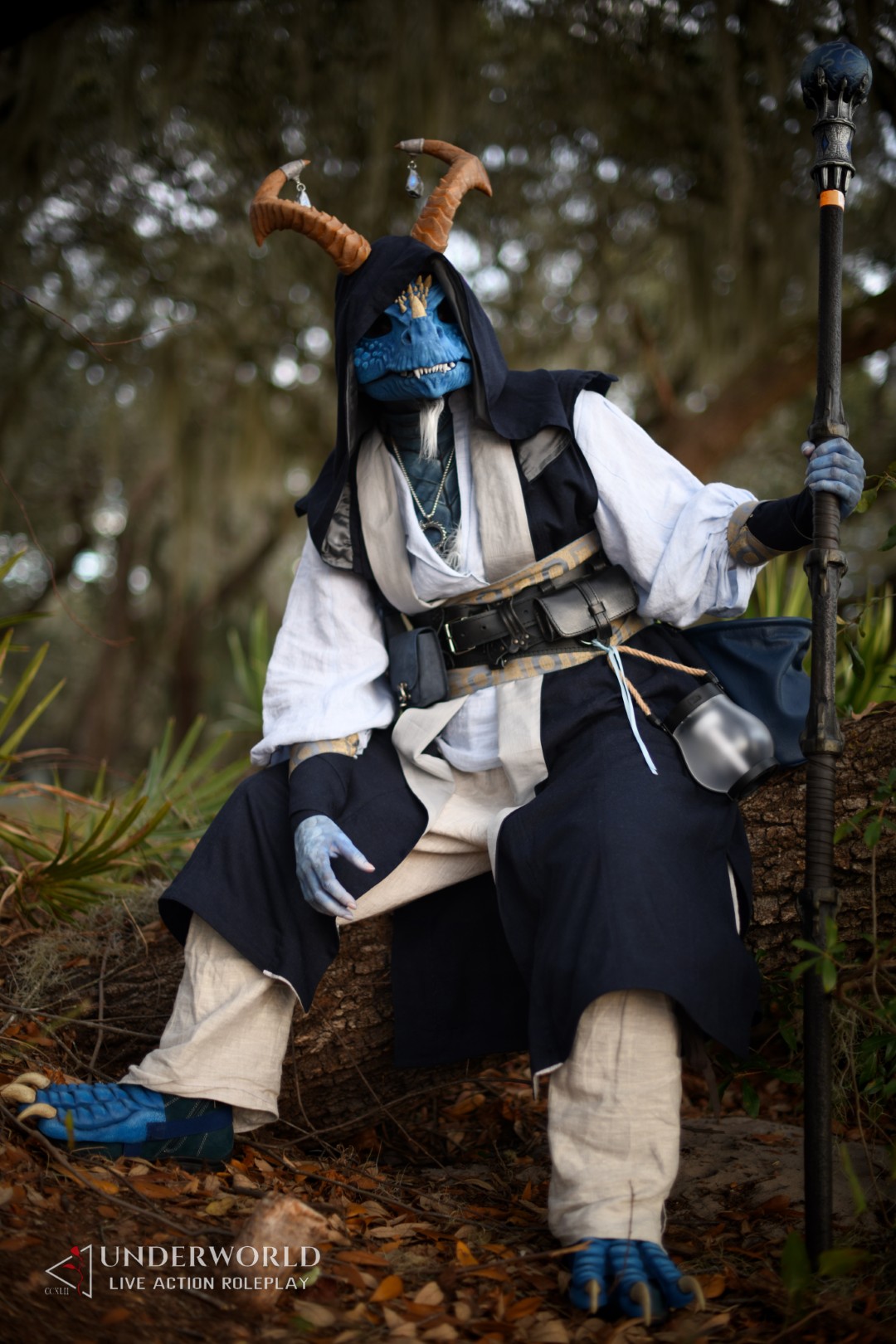
The various colours of Draconians are almost different cultures unto themselves, and as a whole they cannot be said to have much in the way of a unifying cultural tradition. Beyond their hatred of the divine and reverence of their Firstborn patrons, the outlook and traditions of the Draconians are as varied as their scales. For example, the white Draconians tend to live brutal and savage lives, living alone or in small tribes as they stalk the frozen wastes of Jormunger hunting the servants of the Goddess Pandora. In direct contrast, blue Draconians instead tend to live quiet and scholarly lives amongst the Azure Monks of their Dragon, cataloging all there is to know about magic and history. In most cases their culture is the culture of the mortals that they choose to live amongst, as most of their early traditions and works of artistry were lost when the Dreamleaf fell.
However, though they might live amongst mortals, they rarely do so as ordinary citizens. Each Draconian by their very nature may in fact be a reincarnated spirit of someone specifically marked by their Firstborn patron, and as such are almost a sort of living saint. While one would likely bristle at such an accusation, tainted with holy connotations as it is, it cannot be misunderstood that their scales are in a sense a mark of long service to the Firstborn. As such, they often occupy a higher social strata amongst those that revere the Draconic. In the lands of Dominion, the gold Draconians often serve as its highest nobility, while in the Republic of Duvain, the aquamarine admirals of Physignathus that sail their waters give even the proud Duvainian navy cause for respect. Even amongst the more rustic and tribal, Draconians still often rise to positions of leadership or champion-like status.
Religion and Superstition
The Draconian race is almost without exception, utterly loyal to the Firstborn and largely antagonistic towards the Divine. While the depth and severity of a particular Draconian’s reverence for their Firstborn creator can and often does vary, most Draconians tend to follow the example set by the Firstborn whose colours they share. This does not mean that all Draconians are Dragon Knights or seek to become one, but rather it means that most still serve their patron in the manner that they see fit. Even a red Draconian that does not seek favour will likely still violently emulate Rathenoch upon the blood-soaked plains of the Wildlands, and tithe the resulting bounty of gold to their draconic lord and father. Some exceptions to this trend do exist however, as their process of reincarnation does not override the free will of what is otherwise still a sentient being. Occasionally a Draconian may find themselves called to the service of another Firstborn whose scale colour does not match their own, and there are no prohibitions against doing so by most Draconian cultures.
 No right-thinking Draconian would ever submit to a God for any reason. Even the very idea is completely abhorrent to most Draconians. To do so would be a complete betrayal of who they are and their progress along the Hundred Step Passage, for such a violation would be not unlike spitting in the very face of the Firstborn that shaped them. Nevertheless, the Gods are a vile and perfidious lot, and their machinations never cease. Once in a thousand, their honeyed lies take purchase within the mind and spirit of a particularly vulnerable Draconian. These accursed betrayers and willing supplicants of divinity are anathema to the Draconian race as a whole. At best, they are mistrusted, shunned, and denied all forms of succor or rest. At worst, they are actively hunted and subjected to the most brutal forms of punishment possible.
Superstition is slim to none amongst a people with such an ancient view on reality, but one major source of it exists; the tangible Divine. While the metaphysical concepts of “divinity” irk all Draconians, what it has physically produced in the Arthos around them is what truly fills them with disgust. Holy symbols and heraldry, idols depicting deific figures, entire communities whose identity is tangled tightly in religious practices, and especially conjurations of Divine magic give Draconians pause. The average Draconian would never willingly allow such magic to be cast upon their spirits, with reactions ranging from polite but firm refusal to outright violence depending on the temperament of the individual. Attitudes towards the Gods that caused such magic range from outright hostility to passive distaste. Many make little distinction between Gods of Light, Dark and otherwise; poisons may have differing names, but each causes sickness after all. To a Draconian, the worshipers of Gods are misguided or ignorant at best, and their most hated enemies at worst. Some treat worshipers with compassion and tolerance, urging a sense of reason to rationalize the individual’s need for deific prostration as without merit. Those who adhere to the more militant Firstborn, however, find this stance too soft, opting instead for acts of rebellion. Despite this, most Draconians who live in mortal communities attempt to find a balance when it comes to dealing with the pious. A simple fact of Arthos is that belief in the Celestials is as common as the air itself, and concessions must be made to continue living in polite society. As not all Draconians devote themselves to the cause outlined by the Dragon-of-their-scales, a simple baker might wish to live out her days in relative peace despite the clergy of the local Church of Erasmus helping to keep her business alive through patronage. Outrage over the sale of a pastry, as they say, is not worth one’s life.
Marriage and Mating
Draconian reproduction is a curious thing. Likely due to the fact that they are an ageless people, they are not driven to mate very often. While many Draconians will eventually do so in order to replace the losses that violence and misfortune wreak upon their numbers, a Draconian can go centuries with producing an heir. The process itself is not unlike how the mortal races reproduce, save that Draconian mothers do not give birth to live young; they lay scale-covered eggs. Where once in times long past Draconian eggs were laid in clutches of several, most, but not all, Draconians will only have two in their lifetime. The resulting child shares the colouration and patron Dragon of either its mother or father in a completely equal chance, and it is believed in Draconian scripts of old that the Dragon in question will communicate telepathically to the child while growing inside its egg. However, unlike many creatures, a Draconian egg takes a staggering two years to 27 months to hatch. The egg’s shell can withstand all but the most magically-enchanted weaponry for the first 12 months, before weakening to be pierced by silver-coated implements until its time of hatching. These eggs are fiercely protected in accordance with their rarity, and woe to anyone unfortunate or foolish enough to threaten one. Care of the egg is usually performed by a Draconic Cild-hūs, or nursery in the Common tongue, if the parents exist within a larger Draconic community. For the countless that do not, however, protection of the egg becomes a much more harrowing and exhausting affair. Despite this, no matter their creed or scales, Draconians of all types will go to great lengths to aid the parents of an egg until its hatching day, in an act of communal safeguarding unseen in many nations of Arthos.
Once hatched, a Draconian child is still extremely vulnerable. Until such time as its scales harden into the natural aegis enjoyed by most of their kind, the child must be protected. Thus, most Draconians take great care in the rearing of their children, either as a single parent or the two parents taking turns raising the child until their scales harden. Such a process can take decades, with most Draconian parents using this bountiful gulf of time to educate their child and impart at least a portion of the wisdom, skills, and knowledge they have accrued over the centuries of their own existences. In larger communities with a Cild-hūs, the newborn is raised by the Custodians of the commune via the direction of their Clutchkeeper—the eldest caregiver within. These communes allow the parents the freedom to carry on with their own lives while offering great care and opportunities to the offspring in the form of studious learning, artistry, linguistics, and pursuits that lean towards the values of the patron Dragon of the child.
Draconians are free to set their own goals in life, despite any influence by their upbringing. When the Draconian reaches young adulthood and their scales begin to properly strengthen, known as the First Hardening, they are encouraged to leave and seek their own destiny whenever they feel they are ready. This rite of passage cements a Draconian as a true new immortal, and is neither overly somber nor joyous. Almost akin to a graduation from academia, the Draconian is given garments in the colouration of their Firstborn, a map of the local area, and enough food to last a month’s journey, before being set off towards their future.
Relationships amongst the Draconian race are similar to that of most mortals, with a rather large and notable exception. While they fall in love, marry for political advantage, and mate out of desire just like everyone else, such relationships will nearly always have an expiration date. Unlike mortals, Draconians do not tie themselves to a partner for life. For an immortal being, forever is a very long time. Time enough to grow weary of someone’s personality or quirks, and time enough to desire something or someone new. Thus, while some Draconians may remain as star-crossed lovers for centuries, even those tales of boundless romance inevitably come to an end for the average pair.
Politics and Governance
While Draconians have no unifying kingdom or nation that encompasses all their various Firstborn origins, many individual ones exist for the various Dragons. Each has specific policies and governing styles that reflect the Dragon that directly or indirectly watches over the community. Despite this, all adhere to the following surviving customs, as passed down since time immemorial by the eldest of their kind:
- A group of like-hued Draconians representing a particular Firstborn can be referred to as the “Host” of said Firstborn. While this is usually reserved, politically, for the largest group of that Draconic following on Arthos, regardless of if it is a Draconian community, an individual in a township can refer to themselves as the local Host of their Firstborn as a show of respect to other Draconians or figures of leadership.
- When entering the territory of a Firstborn differing to one’s patron, it is customary for a Draconian to announce themselves to the local Host of the territory’s Firstborn.
- The announcement of a new Draconian egg is treated as one of utmost respect and jubilation. It is customary for local Draconians of all colours to offer aid or small tokens to the caretakers of the egg.
- Carrying a singular scale of a drake of one’s patron Firstborn is seen as reverential and good luck, though holding more than one without proper reason, or multiple of different colours, is uncouth.
The Hundred Step Passage
While the Gods offer an afterlife and eternity for their most faithful – to exist in their Celestial Heavens – Dragons offer rebirth and, ultimately, ascension into the Dragon itself. This is commonly called the Hundred Step Passage.
 Unlike Gods, who rely on mortals to decide to worship them, Dragons choose the spirits they deem potentially worthy. When a spirit is identified, the Firstborn infuses a tiny mote of their essence into that mortal and, unknown to them, sets them on the first of one hundred steps. The chosen spirit becomes bound to that Dragon and, regardless of how they act or carry themselves, they will always find themselves drawn to that Firstborn. That spirit has free will and can choose not to follow, but if they follow the pull, and live a dedicated life, when they die they are reborn one step further along the passage. Once a spirit has moved forward a step, they cannot be forced back. Should they die and be deemed unworthy by their Dragon, they are reborn on the same step to try again. Each new step the spirit achieves grants them a new life upon death; one unrestricted by race or gender, in which they are reborn anew into the mortal world and drawn once again to serve their Firstborn. After ninety nine lives of faithful service, the final life the spirit takes is as a Draconian. Should the Draconian live and die a life deemed worthy to the Firstborn, they are absorbed into the Dragon as an armoured scale, with their power and life force given to the Dragon to protect them for eternity. The only exception to this, and one that will permanently remove them from the passage regardless of their progress, is if the spirit dies after having pledged their life to the Divine. This unforgivable sin will sever the bond between the mortal spirit and the Dragon, denying them ascension and removing them forever from the Draconic afterlife. It is for this reason that a Champion or Demagogue Draconian sworn to divinity is often seen by those that follow the Firstborn as the most heinous of abominations.
Regardless of which step the spirit is on, they possess no memories of their previous lives, which step they are on, nor even if they are on the passage at all. Ascension along the steps does not grant the spirit any special abilities or knowledge over a non-bonded spirit. It is not a requirement that those wishing to progress a step become favoured to their Dragon, although that frequently ends up being the case. Simply serving the Firstborn in a manner that feeds their passions and exemplifies their temperament is often enough to please their Dragon and move them forward.
Finally, although unproven, many Draconic scholars believe that time is not relevant to the process of ascension. At any given point there could be five, ten, or more of the same spirit, on different steps in the passage, alive at one time. Bonded spirits do not grant familiarity with their other selves, nor any attraction based on their shared lives.
The Hosts of the Firstborn
The most well-known Hosts of the Firstborn, from a global standpoint of political and influential power, are that of Styphon, Doranth, Physignathus, Rathenoch, and Tezoth. Some of these collectives choose names indicative of their specific purposes bereft of specific Draconian influence, such as Styphon’s Army of the Black Wyrm and Tezoth’s Court of the Sun. Others, such as the Host of Physignathus, are tied mainly to the grand majority of the Draconians of that colouration, instead of just mortal adherents to the Firstborn’s cause. Of course, there are always exceptions, such as the grey Dragon Ilyxtriak only giving name to their Am’Rathi Stormcallers and refuting the pageantry of the term “Host” for any of their Draconians. Generally speaking, a Host of a Firstborn is not so much a Draconian collective as it is an organization of a particular Dragon’s subjects. While this forms the bulk of Draconian society due to the shared purposes of Draconian and Firstborn, more niche examples exist that refer to groups of specifically the Draconian people.
The Stewards of the Passage
Also known by their Draconian-based title of the “Host of Time,” this smaller group of Draconians consisting of known, but deceased, patron Firstborn have taken to the worship of the God of Natural Order, Vesmir. While many Draconic followers have a strained opinion of Vesmir, he is generally cited as being the sole Celestial worth keeping around till the last possible moment. His staunch support of the Firstborn being necessary fixtures of Arthos, spirit-tethered pact sworn to Essyllt the purple Dragon in 2259, and guardianship over time itself lend well to this begrudging belief. However, the Stewards of the Passage have taken this a step further, by actually bearing his Divine power. Each member is either a Paragon or true Favoured of the God, with each seeking to aid his agenda as would any other member of Vesmir’s clergy. As all of their ranks are removed from the fabled Hundred Step Passage of reincarnation spoken of by all Dragons due to their own patron Firstborn being slain, they have sought specifically Vesmir’s Light magic as a means to fill the void while still upholding a sense of order to reality. Some of the Draconians have even attempted to open dialogues with others on not merely leaving Vesmir’s death till last, but abandoning the notion entirely, citing him as “the only deity worthy of life, even in his realm of death.” Unsurprisingly, this has caused umbrage with many Firstborn, who worry that the stewards have invited the toxins of Divinity into their veins too readily, despite their best intentions. Many also claim the almost total disappearance of Draconians bearing the colouration of Firstborn such as silver Daedalon, turquoise and pink Laio, and even the once rose gold Dragon known now as ZOG, are due to the Host of Time’s actions, citing such a unified collective of draconic spirits accepting a singular Celestial’s power as having created a terrible hex upon their entire race.
The Remnant Host of the Green
Since the death of the green Dragon of Nature, Suulazultsur, all remaining green Draconians have felt unimaginable pain in their hearts. With the demise of the last Ward of the Green, the Human known as Noemi, and her attendant Draconian referred to only as “The Assistant,” all Draconians of Suulazultsur have gone into near solitude with the lack of any guiding forces of their patron Dragon. Known as the Remnant Host for evident reasoning, green Draconians, while usually travelling alone, all organically have taken this name as a last act of siblinghood. In the unlikely event two or more cross paths, comfort and respect are given to one another. Each elder passes on what little they remember of their Draconic patron to the younger, and those younger Draconians find solace in the steadying company of each other. While a somber group, the Remnant Host of the Green serve as wandering defenders of nature, and walking memento mori of the green Dragon’s unseemly fate.
The Ur-Kaleidostorium
Known to many Draconians as the “Host of Prisms,” this enclave has set out to recreate an ancient wonder crafted by the Firstborn in eons past; the Prism Discordia on Amaranthia. The massive, prism-like cenotaph-structure allowed for the Firstborn to “Emerge” within it to hold counsel during a “Tribunal” scenario; a great meeting of their brethren. This act of emergence would allow them to travel outside their assigned dominions, instantaneously appearing within the prism’s interior without breaking the laws laid out by the Codex Dracona; the governing rules which all Dragons are held to. A single Draconian of each of the known colours, and rumoured some unknown, lay claim to the smallest host on record. Each is a ritualist and rite-master, employing cobbled together pieces of historical carvings with new-age arcane advancements in spellwork, in an attempt to piece together a way to make a new place of prismatic convergence for all Firstborn. While they have been yet unsuccessful, the Ur-Kaleidostorium maintains that their eventual “Prism Duardia” shall be a new meeting ground upon Maud’madirian soil, though its proposed location is a secret guarded under penalty of Final Death within their order. While the Azure Monks and wandering Forums of Isana see great interest in this host’s mission, many other Draconians see this as a group of hope-drunk dreamers seeking to resurrect days of Draconic culture that are impossible to restore.
Common Personalities and Views
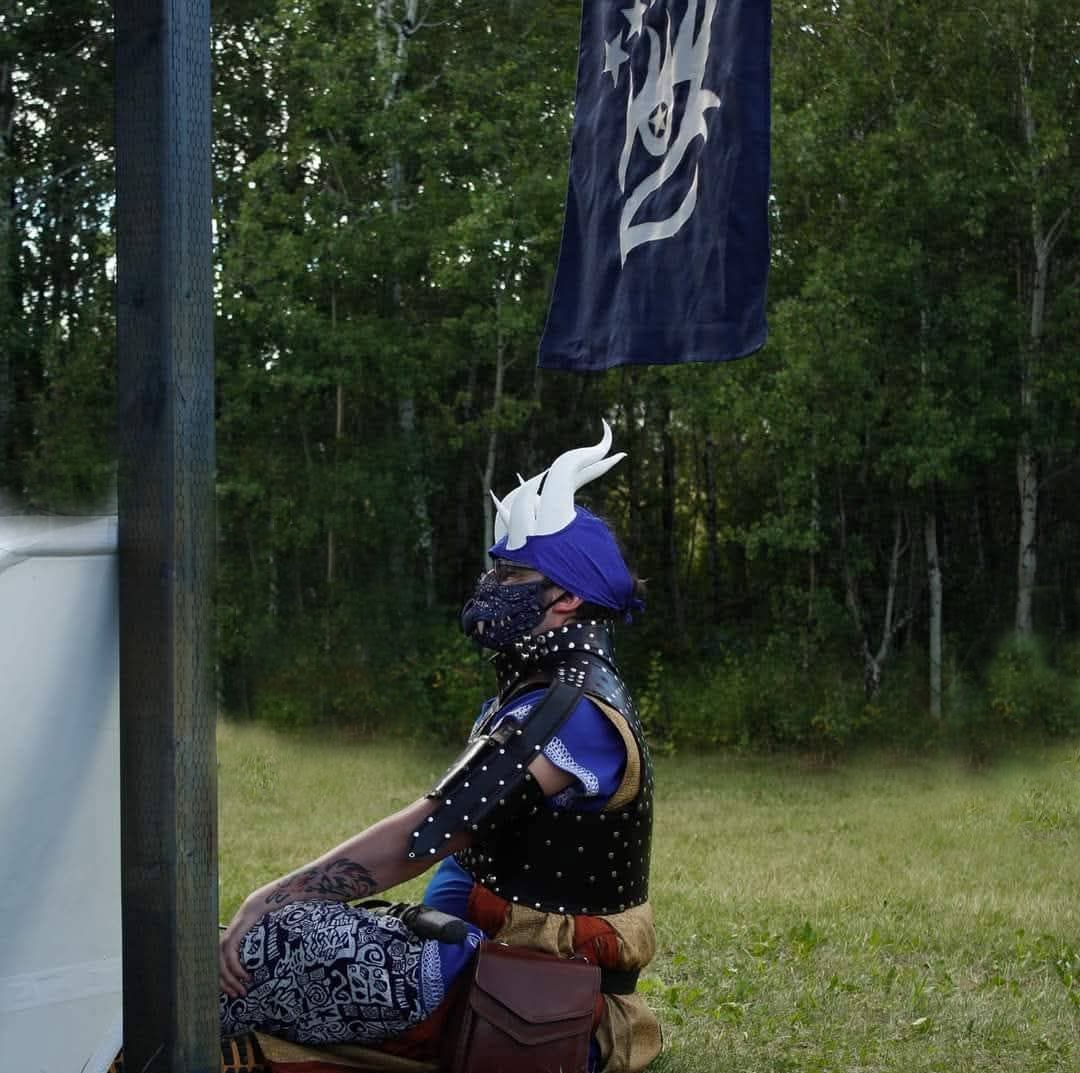 While the various personalities and views of the Draconian race vary as much as their colours do, there are some views more widely shared amongst these various Draconian subtypes. As inheritors of Arthos’ first and greatest civilizations, many Draconians feel a sense of pride or superiority when they compare themselves to other folk. After all, were they not chosen, their spirits specifically marked for greatness by the Firstborn? How many other folk can claim to be selected for greatness by the most powerful and ancient minds to ever walk the surface of this world? The more noble and magnanimous sort of Draconians such as the children of Tezoth tend to downplay this aspect, but in their private moments even they cannot deny feeling this way every now and then.
Secondly, nearly every single last Draconian, both alive and dead, despises the Gods and all their works. Organized religion is no better than chattel slavery in their eyes, and the Gods are extraplanar leeches that deserve not a single iota of the power they steal from the faith of mortals. Reverence of the Firstborn is in fact the only proper path for the profession and development of one’s immortal spirit. The heavens that the Gods offer are instead a corruption of the natural order of things. Thus, the Gods and their servants must be opposed. For some this might mean active and violent action, while for others this might instead take the form of conversions or diplomacy. Whatever the case may be, nearly all Draconians will resist the divine in their own way.
And finally, for those Draconians that manage to reach an ancient and venerable age, certain behavioral patterns do tend to emerge. It is said that immortals do not need a word for patience, and this fact is quite evident in the schemes laid by the eldest examples of their race. These beings tend to be well-informed, thoughtful, and when they do act they never do so rashly or quickly. When they travel or place themselves in danger, they do not do so without significant plans set in motion to reduce the risk to themselves as much as possible.
Views on Other Races
Generalized Mortal Races: “Lo, do the steps of the young grow ever steadier as time grants each the gift of true passage. Thou hast been given a chance to make marks on the annals of history, though thy brief flames shalt all quench. What whilst thou leave behind for us to behold?”
True Fae: “Hearken to the magic made manifest who speak in thine oldest riddles. Thou wouldst do well to adhere to no quarrel with a fellow immortal of the yawning world.”
Undead: “Immortality’s poor facsimile. A proof of concept to the extinction of wisdom. Our scales were ne’er meant to tarnish further.”
Humans: “Never hath a people been so capable of extremes or been so varied. Judge their worth carefully.”
Ajaunti: “Faithless wanderers, believing in ne’er but those that came before. A shame, for otherwise they hath much potential.”
Einher: “Too tainted by the Gods to ever trust the rightful stewards of creation, despite the mercy shown to their ancestors by Great Zsiera in the tundra. If somehow thou manage’th to penetrate the web of lies and myth that is their culture, a more faithful adherent of the Firstborn thou shalt nary find.”
Hobling: “These folk are beneath my notice entirely.”
Orcs: “An admirable people when they are not claimed by Baaagh’s iron grip. Their fearsome strength and courage serve the Firstborn with unfathomable vigor.”
Mountain Dwarves: “A stout and hardy folk. They understand the importance of tradition and many still cling to the old ways. It is a shame that their greed and lust oft allows the Divine into their lives.”
High Elves: “In many cases these folk are the closest mortals to their once-great Thalan ancestors. In others where the Matron ensnare their purpose, however, they are our greatest enemies. Be sure thou know’st which is which.”
Dark Elves: “I hath met few that can be trusted, and fewer still that would be worthy of that trust. Thine Pillars of Night uphold only knavery.”
Wild Elves: “The Gods hath little purchase upon their minds, and many still honour the elden laws of the primeval world. Treat them with respect, and they shalt pay such back in kind.”
Grey Elves: “Amongst all the mortal races, the True Thalan alone approached the height of our civilization in its glory days. And yet, even they too fell, seduced by the false promises of the Divine. Hearken to these words; remember thy roots, that which strode alongside us. We would’st welcome thee again.”
Gargylen: “The angelic taint upon their spirits is ne’er their fault. Each is as free as any other mortal. Judge them on how they choose to exercise their will, not on the circumstances of their birth.”
Wood Fae: “Essyllt’s adopted children. Aid them when thou can’st, for their freedom was not so easily won.”
Roleplaying Tips
First and foremost, you absolutely must read the wiki article that describes your patron Dragon. While you are not simply a smaller carbon copy of the Firstborn whose scale colour you share, your spirit has been drawn to and influenced by their example over, theoretically, dozens of successive reincarnations. Much of what underpins your character’s personality and outlook should be at least a distorted reflection of your draconic parent’s personality. However, you are still a living being with free will. If you’re going to play against type, try to do something new and interesting with it, instead of falling upon tired and comfortable clichés.
A Draconian can in theory, be of a truly incredible and vast age. Should you choose to be ancient, do your best to present yourself as such. Roleplaying this breadth of experience does require an expansive and intimate knowledge of Underworld lore and history, and thus this approach may not be for everyone.